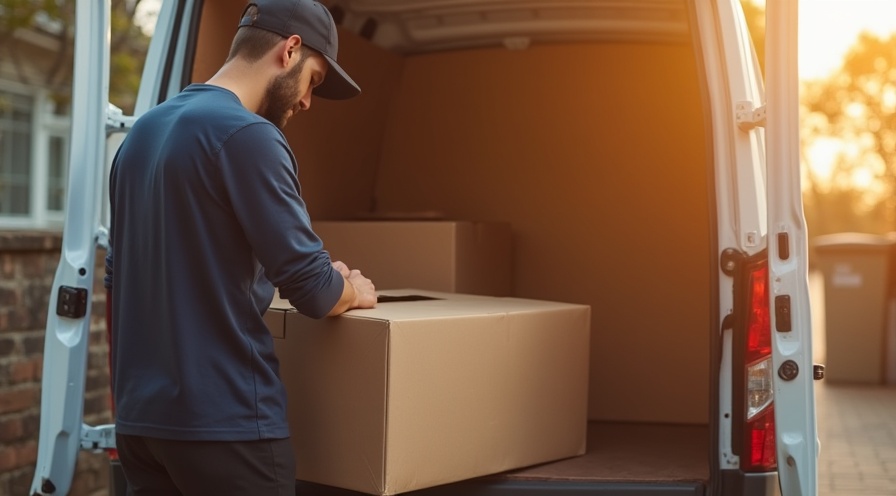
Moving house is a significant undertaking, and opting for a do it yourself approach by hiring a van can be a fantastic way to save a considerable amount of money. With careful planning and the right vehicle, you can take full control of your moving day, ensuring your belongings are handled exactly how you want. In 2026, modern hire vans are more user friendly than ever, but success still hinges on good preparation.
This guide provides a comprehensive walkthrough for your DIY move. We will help you select the correctly sized van for your needs, share professional packing strategies to protect your possessions, and offer practical tips for loading, driving, and returning your rental vehicle. A successful move is all in the detail.
Clever things to do in Moving
Choosing the Right Van Size
The most common mistake is hiring a van that is too small. A Luton box van with a tail lift is the standard choice for a 1-2 bedroom flat. For a larger house, you may need a long wheelbase panel van or even multiple trips. Always overestimate your space requirements.
Understanding Licence Requirements
Most standard panel vans and Luton vans up to 3.5 tonnes can be driven on a standard UK Category B (car) driving licence. However, always confirm this with the hire company, especially if you passed your test after 1 January 1997.
Essential Moving Equipment
Your van is just the start. You will need strong boxes, packing tape, bubble wrap, old blankets or dust sheets for padding, and a sack trolley or dolly to move heavy items. Some hire companies rent these out as a package.
The Importance of a Tail Lift
For heavy items like washing machines, sofas, and wardrobes, a van with a hydraulic tail lift is non-negotiable. It makes loading and unloading significantly safer and easier, reducing the risk of injury and damage to your belongings.
Insurance and Damage Liability
Standard van hire insurance covers the vehicle, but not your goods in transit. Check your home insurance policy to see if you have 'goods in transit' cover. Also, be aware of the high insurance excess on vans and consider an excess reduction policy.
Know before you go
Place your heaviest and largest items, like appliances and chests of drawers, at the front of the van (against the bulkhead). Distribute the weight evenly from side to side to ensure the van remains stable while driving.
Build solid tiers of boxes, with the heaviest at the bottom. Fill all the gaps with softer items like bags of bedding or cushions to prevent things from shifting and breaking during transit. Use ratchet straps to secure large items.
Driving a van is very different from a car. Be constantly aware of its height, especially when approaching low bridges, car park barriers, and even large tree branches. The vehicle height will be displayed in the cab.
Ensure you have a clear, legal, and safe place to park the van at both your old and new properties. If necessary, apply for a parking suspension from the local council in advance or ask neighbours to keep spaces clear for you.