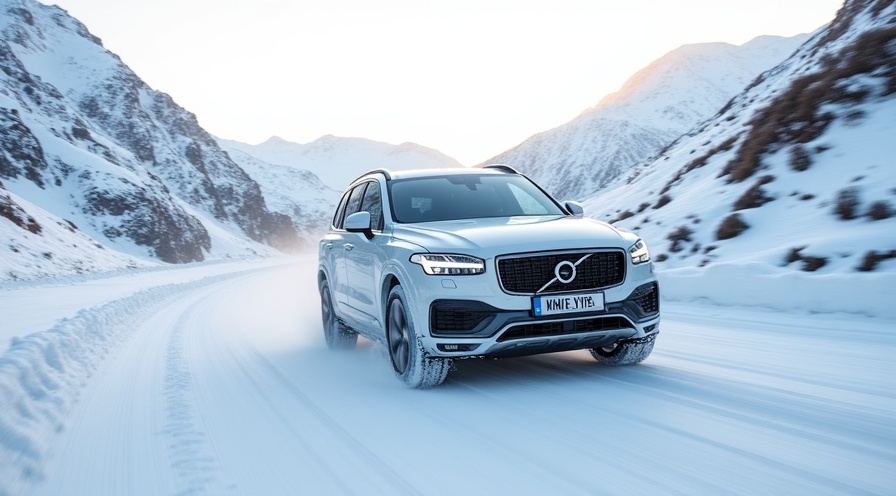
A winter driving holiday in Europe, whether for skiing in the Alps or visiting Christmas markets in Germany, can be a magical experience. However, driving in snow and ice requires specific preparation and an understanding of local laws, which are often strictly enforced. As of 2026, regulations regarding winter tyres and the mandatory carrying of snow chains have become even more specific in many popular destinations.
This guide is your essential companion for staying safe and legal on Europe's winter roads. We will break down the country specific requirements, explain the difference between winter tyres and snow chains, and provide practical advice for driving in treacherous conditions. Being unprepared can lead to hefty fines or, worse, a serious accident.
Clever things to do in Winter
Winter Tyres vs Summer Tyres
Winter tyres use a softer rubber compound and have a specific tread pattern (look for the 'three-peak mountain snowflake' symbol) that provides superior grip in temperatures below 7°C. In many European countries, they are a legal requirement during specified periods.
When are Snow Chains Required?
Snow chains are for use on roads heavily covered in snow or ice. In many mountainous regions, it is mandatory to carry them in your vehicle between certain dates, typically from November to April. You must fit them when instructed to do so by road signs (a blue circle with a chained tyre symbol).
Rules in France
In 48 mountainous 'départements' (including the Alps and Pyrenees), you must have either winter tyres fitted or carry snow chains in your vehicle from 1st November to 31st March. This is known as the 'Loi Montagne'.
Rules in Germany and Austria
Both countries have a 'situational' winter tyre law. If wintry conditions (snow, ice, slush) exist, you must have winter tyres fitted. In Austria, it is also mandatory to carry snow chains for use on mountain roads when required.
Hiring a Car with Winter Equipment
When hiring a car for winter driving, you must book a 'winterisation' package. This typically includes winter tyres and may include snow chains for an extra fee. This must be pre-booked as it cannot be guaranteed on arrival.
Know before you go
Do not wait for a blizzard on a dark mountain pass to try fitting chains for the first time. Practise in the dry before you travel. Lay them out, untangle them, and do a trial run. It will make the real event much faster and less stressful.
When snow chains are fitted, you must not exceed the manufacturer's recommended speed limit, which is usually around 30 mph (50 km/h). Driving too fast can damage the chains, your tyres, and the road surface.
As soon as you reach a section of road that is clear of snow and ice, you must pull over in a safe place and remove the snow chains. Failure to do so can result in a fine and will cause significant damage to your vehicle.
Your car should be equipped for any eventuality. Pack a kit containing a high-visibility vest (compulsory in many countries), a warning triangle, a torch, a shovel, de-icer, a blanket, water, and some emergency food.