Solo travel continues to be one of the most significant trends in 2026, offering unparalleled freedom and self-discovery. While the experience is incredibly rewarding, personal safety remains the top priority, and your choice of hotel and your habits within it form the bedrock of a secure trip. A safe hotel is not just about a lock on the door; it is about location, staff, and your own awareness.
This checklist is designed for the modern solo traveller. It moves beyond the basics and incorporates digital security and new hotel technologies. By being proactive and prepared, you can relax and fully immerse yourself in your destination, confident that you have taken the right steps to ensure your wellbeing.
Clever things to do in Tokyo
Research the Location Thoroughly
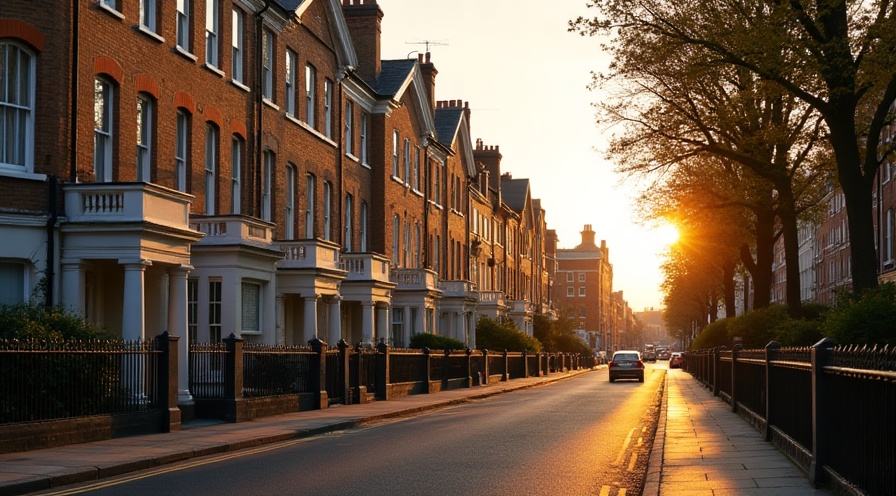
Before booking, use Google Street View to 'walk' around the hotel's neighbourhood. Check recent reviews for comments on safety, especially from other solo travellers. Ensure it is well-lit at night and has good access to public transport or reputable taxi services.
Request a Specific Room Location
Avoid rooms on the ground floor, which can be more accessible from the outside. Rooms near the lifts often have more foot traffic, which can be a deterrent to intruders. A room on the third to sixth floor is often considered the safest.
Check the Room's Security Features
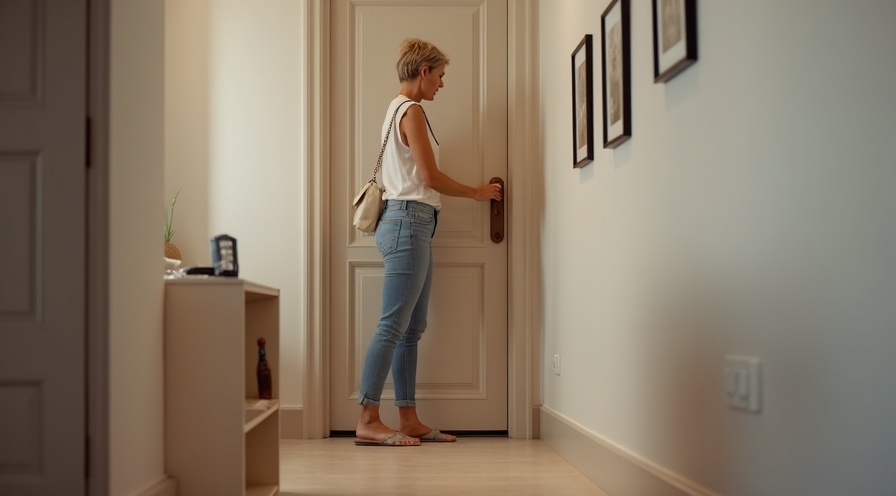
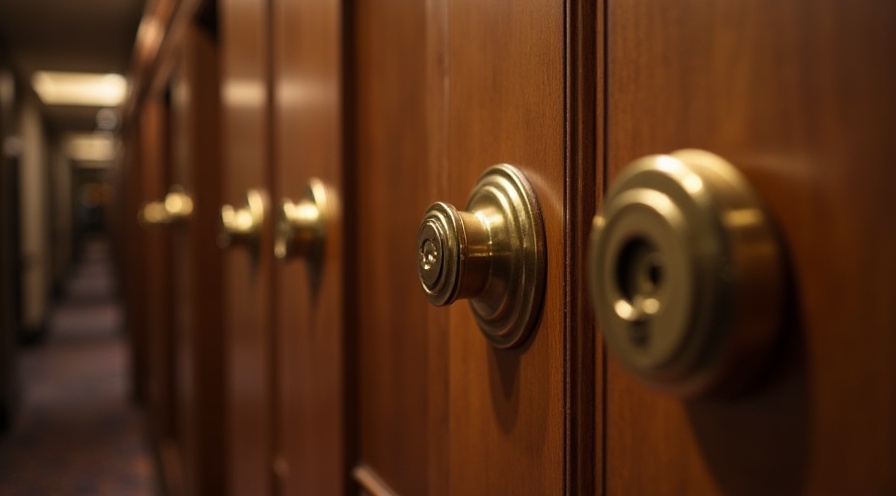
Upon entering, immediately check the door lock, deadbolt, and security chain or latch. Ensure the peephole is clear. Check that any balcony or adjoining room doors lock securely from the inside. Report any issues to the front desk immediately.
Maintain Digital Privacy
Never let staff say your room number out loud at check-in; ask them to write it down. Be cautious when using hotel Wi-Fi. Use a VPN (Virtual Private Network) to encrypt your internet traffic, protecting your data from being intercepted on the public network.
Use a Door Stop Wedge
A simple, lightweight rubber door stop is one of the best low-tech security gadgets. Wedging it firmly under your door from the inside provides an extra physical barrier and peace of mind, even against someone with a key card.
Know before you go
Always leave a copy of your hotel details and daily itinerary with a trusted friend or family member back home. A quick daily check-in text can also provide reassurance for both you and them.
Request two key cards at check-in. Leave one in the room's power slot (if applicable) when you go out, making it appear that the room is occupied, which can deter housekeeping or others from entering.
When you are in your room, hang the 'Do Not Disturb' sign on the outside of your door. This is a clear signal that the room is occupied and prevents unexpected knocks from housekeeping or other staff.
Take a moment upon arrival to walk the corridor and locate the nearest fire exits and stairwells. Knowing your escape routes in an emergency is a fundamental and often overlooked safety step.