The journey into specialty coffee is a rewarding one, taking you from a simple morning ritual to a fascinating hobby. The market for coffee equipment in 2026 is vast and can be intimidating, but progress is logical, with each new piece of kit unlocking a new level of quality and control.
This guide breaks down the journey into five key upgrades. We will take you from the foundational setup that beats any pod machine, through to the precision tools of the serious enthusiast. Whether you are just starting or looking for your next upgrade, this is your roadmap to better coffee at home.
Clever things to do in Kitchen
Level 1: The Foundation
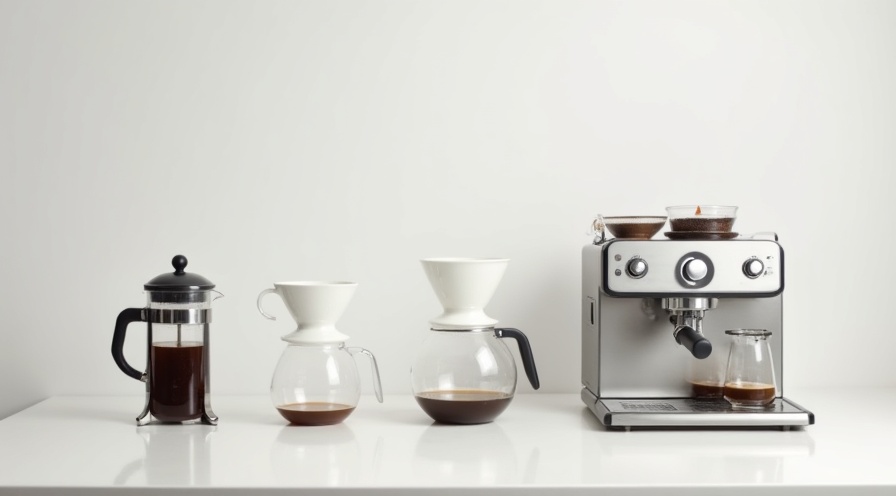
A burr grinder and a brewing device. Start with a quality entry-level electric burr grinder like a Baratza Encore ESP and an AeroPress or French Press. This combination is forgiving and immediately highlights the difference fresh-ground beans make.
Level 2: Precision and Consistency
Digital scales and a gooseneck kettle. Add scales with a 0.1g resolution and a timer. This allows you to control your coffee-to-water ratio precisely. A gooseneck kettle, like one from Fellow, gives you control over your pour for methods like V60.
Level 3: The Pour-Over Obsessive
A high-end manual brewer and better grinder. Upgrade to a premium pour-over dripper like a Hario V60 or Kalita Wave. Your grinder is now the weakest link, so upgrade to a hand grinder like a 1Zpresso J-Max or a Fellow Ode Gen 2 for superior grind consistency.
Level 4: The Espresso Entry Point
A capable home espresso machine. This is a significant jump. Start with a single-boiler machine like a Gaggia Classic Pro or a thermoblock machine like a Sage Bambino Plus. Your burr grinder must be espresso-capable.
Level 5: The Ultimate Home Setup
A dual-boiler machine and specialist grinder. For the ultimate control, a dual boiler (e.g., from Profitec or Lelit) allows simultaneous brewing and steaming. Pair it with a dedicated espresso grinder with stepless adjustment for minute control.
Know before you go
If you have to prioritise your budget, spend it on the grinder. A great grinder with a mediocre brewer will produce better coffee than a mediocre grinder with a great brewer. Grind consistency is the key to a good extraction.
Coffee is 98% water, so its quality matters immensely. If you live in a hard water area, using a simple Brita filter can make a huge difference. For the truly obsessive, custom water mineral packets are available.
The best gear in the world cannot save stale, poor-quality coffee beans. Buy from a local roaster or an online subscription service. Look for a 'roasted on' date and aim to use the beans within a month of that date.
Focus on mastering the four key variables: grind size, coffee-to-water ratio, water temperature, and contact time. Changing one at a time is the scientific method for dialling in the perfect brew for any bean.