In the bustling heart of Berkshire, where commuters from Bracknell, Binfield, and Warfield prepare for their busy days, and families in Easthampstead, Priestwood, and Bullbrook strive for a well-ordered home, the state of one's garments and linens speaks volumes. From a crisp shirt for that important meeting to freshly pressed bedding for a restful night, proper fabric care is not just about aesthetics; it's about preserving quality and extending the life of your cherished items. Just as the ancient flint tools found at Amen Corner tell a story of longevity, so too can diligent fabric care ensure your textiles stand the test of time.
Bracknell's heritage, from its Bronze Age burial mounds at Bill Hill to its 19th-century brick-making industry that produced the famous 'Bracknell red brick' for structures like Royal Holloway College, reminds us of the value of enduring quality. This ethos extends to how we care for our clothes and home textiles. A well-maintained wardrobe and perfectly pressed linens contribute to a sense of calm and order in our busy lives, reflecting the care we put into our surroundings.
While the convenience of modern life often means less time for intricate household tasks, understanding the nuances of fabric care is more important than ever. Whether you're tackling a pile of laundry yourself or entrusting it to professionals, knowing the best approach for each fabric type can prevent damage and ensure a consistently polished finish. This guide aims to demystify fabric care, providing expert advice that's genuinely useful for every Bracknell household.
From the daily shirts that see us through the work week to the luxurious bedding that graces our homes, each fabric has its own specific needs. We’ll delve into the secrets of pressing different shirt fabrics, caring for delicate linens, and understanding which items should never even see an iron. We'll also explore the benefits of steam versus dry ironing, how to store your pressed items to maintain their pristine condition, and when the unparalleled expertise of a professional pressing service, like Bracknell Ironing, is truly worth the investment.
The essentials
Cotton Shirts
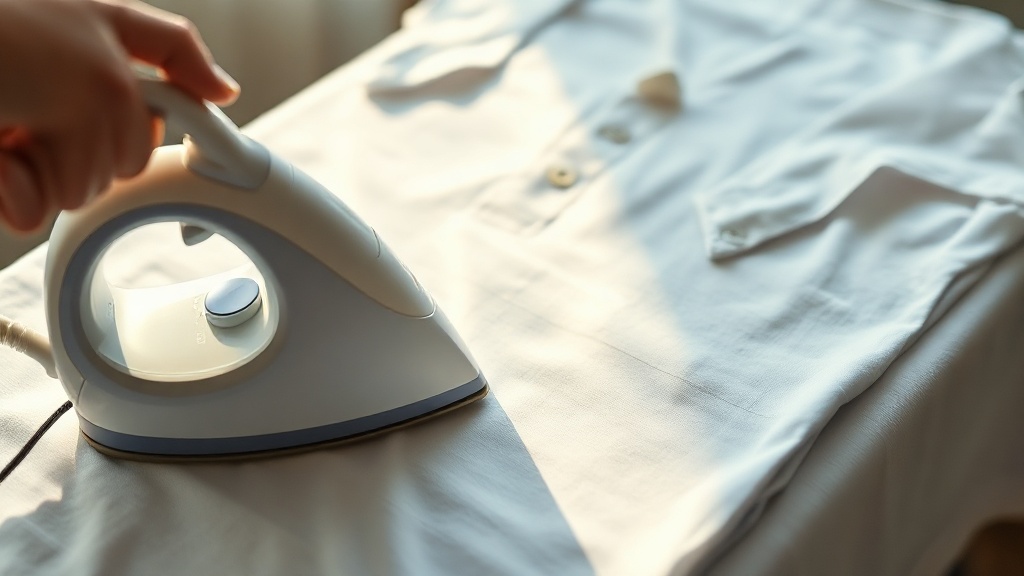
Cotton is a popular natural fibre, known for its breathability and absorbency. For cotton shirts, use a high heat setting on your iron, ideally with steam, and iron them while they are still slightly damp for the best results. Ironing on the reverse side can help prevent shine. White cotton can tolerate washes up to 90°C, while coloured cotton should be washed at a maximum of 60°C to prevent fading. Air drying is preferred, but if using a tumble dryer, opt for a low heat setting and remove items while slightly damp to avoid shrinkage.
Linen Shirts & Bedding
Linen, derived from the flax plant, is prized for its crisp texture and breathability. It wrinkles easily, which is part of its charm, but can be pressed for a sharper look. Use a high heat setting with steam on your iron, ideally while the linen is still slightly damp. For washing, use cold or lukewarm water (30°C or lower) and a mild, non-bio detergent on a gentle cycle to prevent shrinkage and protect fibres. Air dry by hanging or laying flat, away from direct sunlight.
Delicate Silk & Rayon
Silk is a naturally fragile fabric that requires a very low iron temperature, ideally with a protective cloth or by ironing inside out. Steaming is often the safest method for removing wrinkles from silk. Rayon, which can mimic silk, is also sensitive to heat and can shrink, shine, or lose shape if ironed incorrectly. Iron rayon inside out on a low to medium heat setting, preferably when slightly damp. For washing, hand-washing in cold water with a mild detergent is often recommended for rayon, and it should never be tumble-dried.
Wool Garments
Wool, including luxurious cashmere, is sensitive to direct heat and can felt, shrink, or warp if ironed improperly. It's best to use a medium heat setting (around 150°C) with steam, or iron through a pressing cloth, and avoid pressing hard. Many wool garments benefit from airing rather than frequent washing, and stains can be spot-treated. When washing, turn wool garments inside out, use cold water and a mild detergent, and lay flat to dry to maintain their shape.
Synthetic Fabrics (Polyester, Nylon, Acrylic)
Synthetic fibres are heat-sensitive and can melt, scorch, or warp at high temperatures. Iron these fabrics on a low heat setting (around 110°C) without steam, and often on the reverse side to prevent shine. When washing, use cold or lukewarm water on a gentle cycle and avoid harsh detergents or bleach. Air drying is ideal, but if using a tumble dryer, select a low heat setting.
Embellished & Textured Items
Garments with sequins, embroidery, rhinestones, or metallic threads, as well as textured fabrics like velvet or corduroy, should generally not be ironed directly. High heat can damage embellishments, flatten textures, or cause shrinking. For these items, steaming is a safer alternative to relax wrinkles without causing damage. Professional pressing is highly recommended for these delicate and intricate pieces.
Good to know
This is your primary guide. The iron symbol (one, two, or three dots) indicates the maximum temperature suitable for the fabric.
Group items that require similar heat settings. Start with the coolest settings for synthetics and delicates, then move to warmer settings for cotton and linen.
Many natural fibres like cotton and linen are easier to press and achieve a crisper finish when slightly damp. For dry, wrinkled fabrics, misting with water can help relax the fibres.
Steam helps relax fabric fibres, making wrinkle removal more effective, especially for cotton and linen. However, some delicate and synthetic fabrics should be ironed without steam.
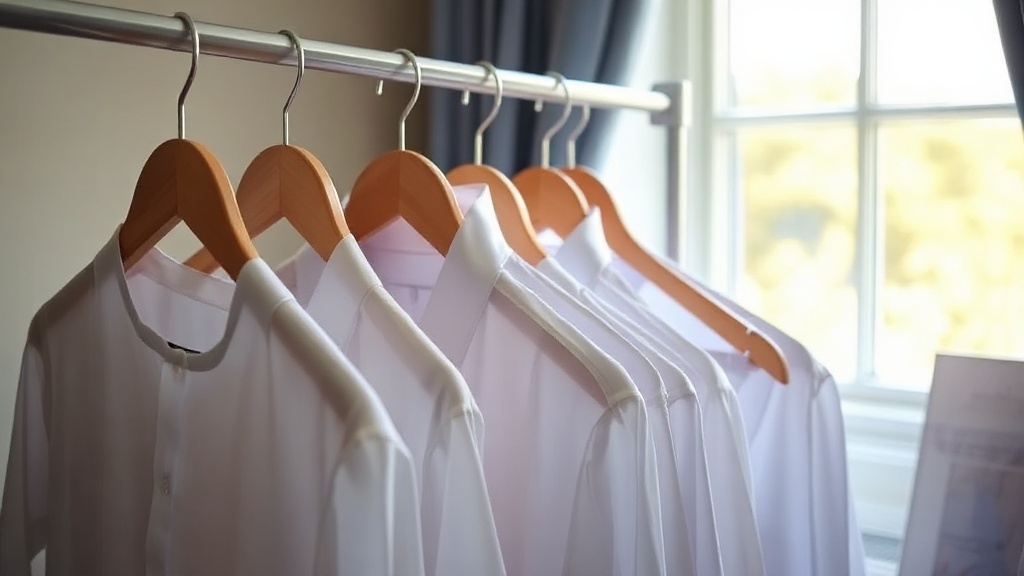
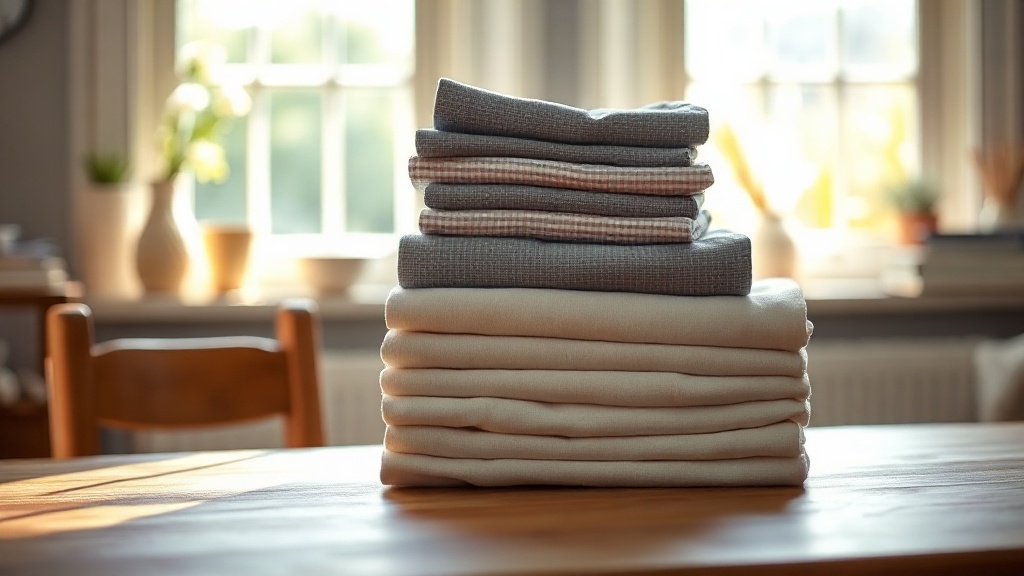
Hang shirts and structured garments immediately after pressing on appropriate hangers. For knitwear, fold and store in drawers to prevent stretching. Ensure clothes have room to breathe in your wardrobe to avoid crushing creases.
For intricate items, delicate fabrics, structured garments like suits, or simply to save time, professional pressing offers superior, consistent results and prevents damage. Bracknell Ironing offers collection and delivery across Bracknell and surrounding areas like Winkfield, with shirts and blouses at £2.20 and bedding sets from £8.50.