In the heart of London, where the Grand Union Canal weaves through historic neighbourhoods like Primrose Hill and Kentish Town, life moves at a vibrant pace. From the early morning commuters heading out from St Pancras to families enjoying the weekend markets, looking your best often means having perfectly cared-for clothes. But between busy schedules and the sheer variety of fabrics in our wardrobes, achieving that crisp, polished look can feel like a daunting task.
This guide from Camden Ironing is designed to demystify fabric care, offering genuinely expert advice for everything from your everyday shirts to luxurious bedding and the most delicate garments. We understand that residents across Camden, Hampstead, Holborn, Islington, Little Venice, and Highgate value both quality and convenience. That's why we've put together essential tips on pressing, steaming, and storing your clothes, ensuring they look impeccable for longer.
Named after Charles Pratt, the 1st Earl Camden, who began developing this area in 1791, Camden has always been a place of innovation and community. Just as the area embraced the canal network, we embrace modern solutions for traditional needs. We believe that proper fabric care is not just about aesthetics; it's about preserving your garments, making them last longer, and ultimately, saving you time and money. Over 60% of clothing damage comes from at-home care mistakes, so knowing the right techniques is crucial.
Whether you're preparing for a big meeting or simply want your bedding to feel like a luxury hotel experience, this guide will provide the knowledge you need. And for those times when you prefer to leave it to the professionals, Camden Ironing offers a convenient door-to-door collection and delivery service, ensuring your items are expertly pressed and returned to you with a typical 48-hour turnaround, confirmed when your order is accepted.
The essentials
Cotton Shirts & Everyday Wear
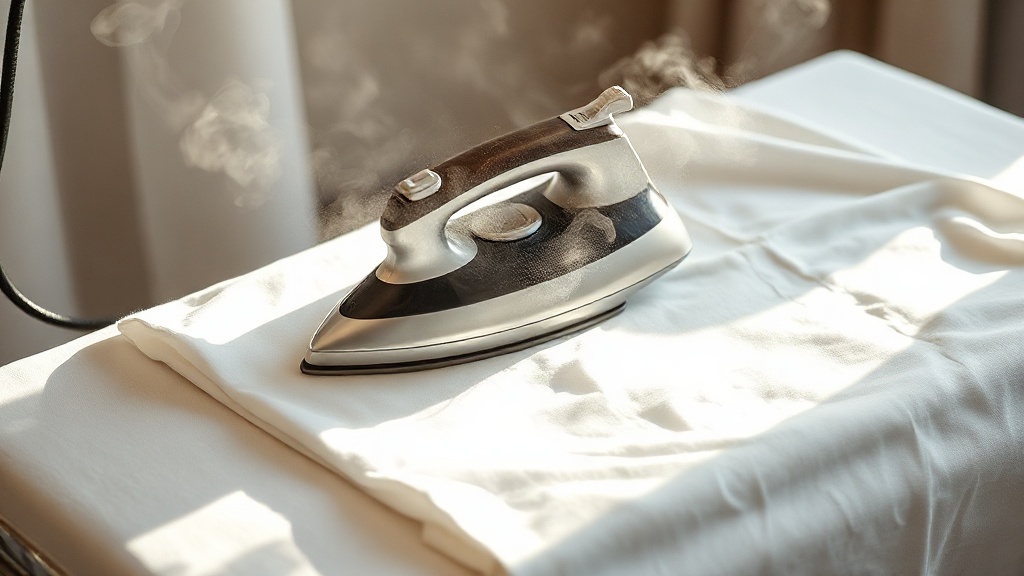
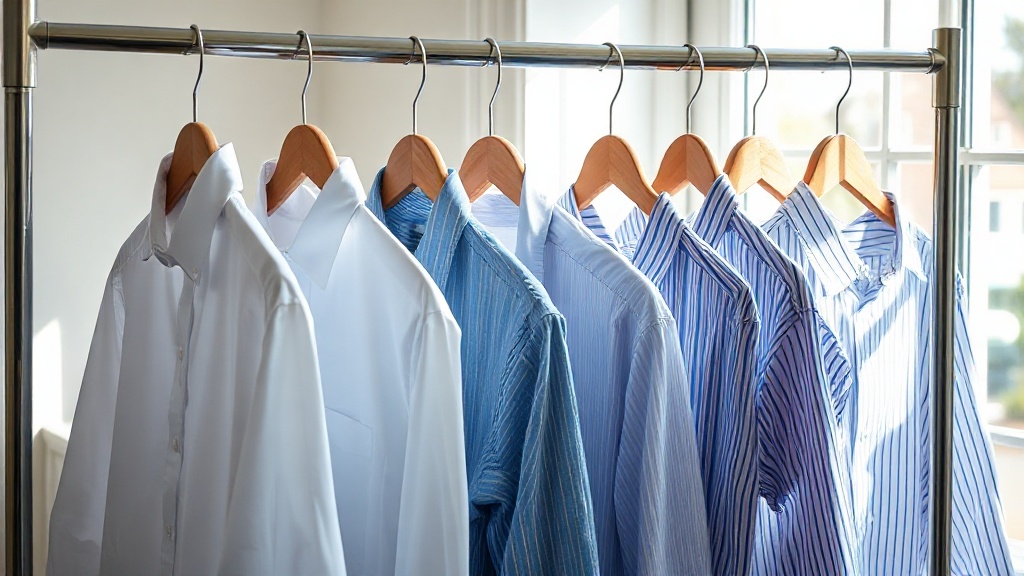
Cotton is a versatile and common fabric, often found in shirts, t-shirts, and many casual items. It tolerates high heat, ideally between 180-200°C, and benefits greatly from steam. Iron cotton while it's still slightly damp, or pre-moisten it with a spray bottle for best results. Ironing inside out can prevent shine marks on darker cotton fabrics.
Linen Garments & Tablecloths
Linen, a natural fibre known for its breathability, wrinkles easily but also withstands high temperatures. Iron linen at a high heat setting, between 200-230°C, preferably when the fabric is still damp. Ironing linen inside out is often recommended. For items like tablecloths, a crisp finish makes all the difference, perfect for any gathering in your Camden home.
Delicate Silks & Blouses
Silk is a delicate protein fibre that requires gentle care. Iron silk on a low heat setting, typically around 110-150°C. Always iron silk on the reverse side and use a pressing cloth to protect the fabric from direct heat and prevent shine marks or water spots. Many experts recommend steaming silk over ironing to avoid direct contact and potential damage.
Wool Trousers & Knitwear
Wool, another natural protein fibre, needs careful handling to avoid felting or shine. Iron wool at a medium heat setting, around 130-150°C. Use a pressing cloth and steam at a distance, avoiding direct pressure from the iron, which can crush fibres. For knitwear, steaming without direct iron contact is often the safest approach.
Polyester Blends & Synthetics
Polyester and other synthetic fabrics are more sensitive to heat and can melt or become shiny if ironed at too high a temperature. Use a low to medium heat setting, generally not exceeding 110-150°C. Iron polyester inside out and use a pressing cloth to prevent shine. Steam can be used sparingly, and some suggest dampening the fabric before ironing.
Bedding Sets & Linens
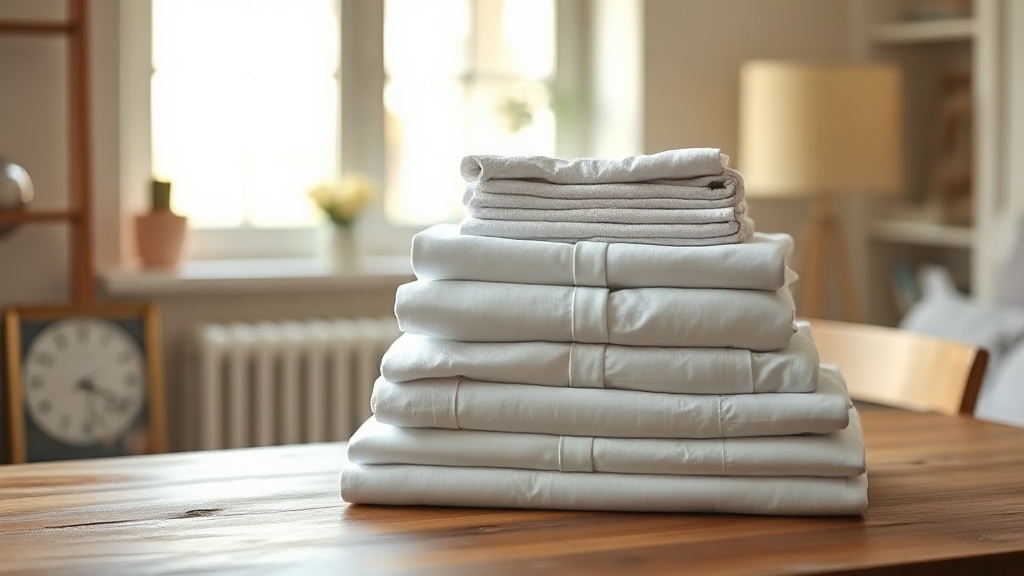
For duvet covers, sheets, and pillowcases, cotton and linen are common choices. These durable fabrics benefit from high heat and steam. Iron them while slightly damp for the best results, using long, even strokes. For a double duvet cover (£4.50) or a king duvet cover (£5.50), achieving a smooth finish can transform your bedroom into a sanctuary, much like the peaceful canal-side walks found in Little Venice.
Good to know
This tiny tag is your ultimate guide, indicating the maximum safe ironing temperature and whether ironing is advised at all.
Group garments by fabric composition and recommended ironing temperature, starting with the lowest heat settings and progressing to higher ones.
Steam is excellent for relaxing fibres in cotton and linen, but avoid it for delicate fabrics like silk and some synthetics, where it can cause water marks.
For delicate fabrics, dark colours, or those prone to shine, a clean pressing cloth placed between the iron and the garment provides a crucial protective barrier.
This technique protects the outer surface of your garment, preventing shine marks and direct heat damage, especially important for silks, wools, and dark colours.
Allow garments to cool completely on a hanger before folding or putting them away to prevent new creases from forming.