In the historic village of Eton, where centuries of tradition meet modern life, the importance of a well-maintained wardrobe and pristine home linens is undeniable. From the distinctive uniforms of Eton College pupils, first adopted in 1820 in mourning for King George III, to the everyday shirts of busy commuters heading into London, looking sharp and feeling comfortable starts with expert fabric care. This guide is designed to help you navigate the nuances of laundry and pressing, ensuring your garments and linens always look their best.
Eton, known for housing England's first village post office and its rich royal history stemming from King Henry VI's founding of Eton College in 1440, appreciates quality and attention to detail. Just as the town values its heritage, so too should we value the longevity and appearance of our fabrics. Proper care not only preserves the integrity of your clothes and bedding but also extends their lifespan, making your investment worthwhile.
Whether you're tackling a pile of shirts after a busy week, refreshing your bedding, or preparing delicate items for a special occasion, understanding the right techniques is crucial. This guide will delve into specific fabric types, offering verified advice on washing, pressing, and storing. We'll explore the benefits of both home care and professional services like Eton Ironing, which offers convenient door-to-door collection and delivery across Eton, Windsor, Clewer Village, Chalvey, Eton Wick, Datchet, Clewer Green, Old Windsor, and Dorney.
By following these expert tips, you can transform your laundry routine from a chore into a satisfying practice, ensuring everything from your everyday essentials to your most cherished garments are cared for with precision. And for those times when life gets too busy, or for items that demand a truly flawless finish, Eton Ironing is here to provide a professional touch, allowing you more time to enjoy all that our beautiful area has to offer.
The essentials
Cotton Shirts & Linens
Cotton is a robust natural fibre that can withstand higher heat. For shirts, iron while still slightly damp on a hot setting (around 180-200°C) with generous steam. For bedding, wash in cold or warm water to prevent shrinkage, reserving hot water for whites and heavily soiled items. Ironing cotton bedding can give a luxurious finish.
Linen Garments & Bedding
Linen, like cotton, thrives with heat and moisture. Iron linen garments while still damp on a hot setting (200-230°C), using steam to relax creases. For linen bedding, use a gentle cycle with cold to lukewarm water and a mild detergent. Avoid harsh cleaning products with artificial brighteners.
Delicate Silks
Silk requires a gentle touch. Many silk items can be hand washed in cool water (max 30°C) with a mild detergent, or machine washed on a delicate cycle in a mesh bag. Avoid bleach and fabric softener. Iron silk on a very low setting (100-110°C) and ideally from the reverse, without direct steam.
Rayon/Viscose Blouses
Rayon and viscose are softer, man-made fabrics that need careful handling. Wash in cool water on a gentle cycle with a mild detergent, or hand wash for best results. Air dry and avoid tumble drying as high heat can cause shrinkage and damage. Use a steam iron on a low to medium setting (110-150°C) to remove wrinkles.
Polyester & Synthetics
Polyester is durable and wrinkle-resistant but sensitive to high heat. Wash in cool or warm water on a normal cycle with like colours. Tumble dry on a cool to medium setting or air dry. Iron on a low setting (max 110°C) or steam, ideally inside out and without direct steam.
Wool Items
Wool requires gentle care to prevent shrinking and damage. Iron wool on a medium setting (140-150°C), using steam at a distance or a pressing cloth, and never press hard. For washing, always check the care label as some wool items are dry-clean only. When washing at home, use cold water and a wool-specific detergent.
What Should Never Meet an Iron
Some fabrics and embellishments are simply not designed for direct heat. Items with delicate beading, sequins, or certain plastics can melt or be damaged by an iron. Always check care labels, and if an iron symbol is crossed out, it means no ironing. For these items, steaming from a distance or professional care is often the safest option.
Good to know
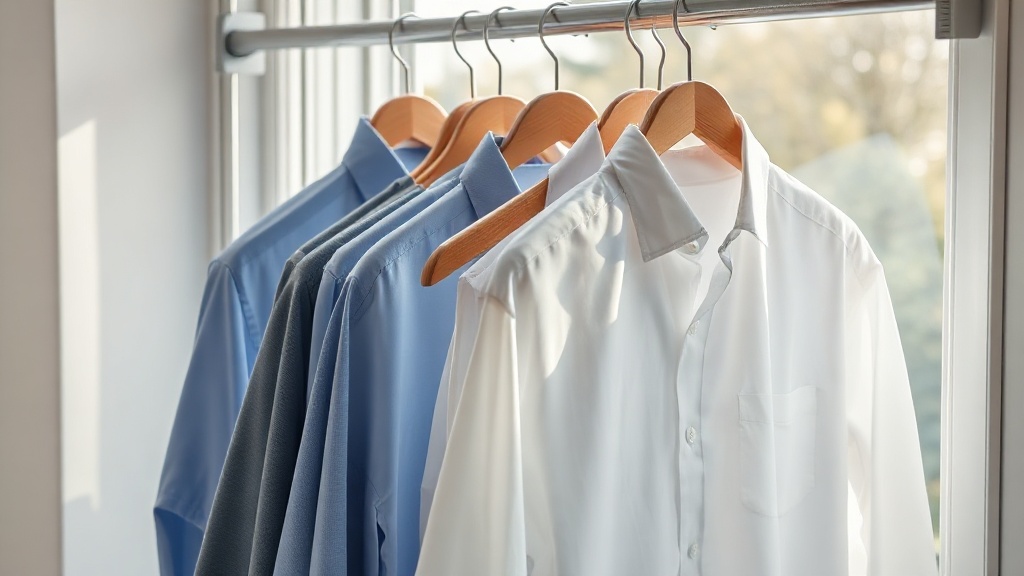
Always allow freshly ironed clothes to cool completely on a hanger before putting them away. Storing them while still warm can cause new wrinkles to form.
Use quality hangers for shirts, blouses, and dresses to prevent stretching or distortion. For trousers, use clip hangers to avoid creases. Avoid overcrowding your wardrobe to prevent wrinkles.
For delicate fabrics like silk or fine wool, and for long-term storage, use breathable garment bags to protect them from dust, dirt, and snags. Avoid plastic bags for long-term storage, as they can trap moisture.
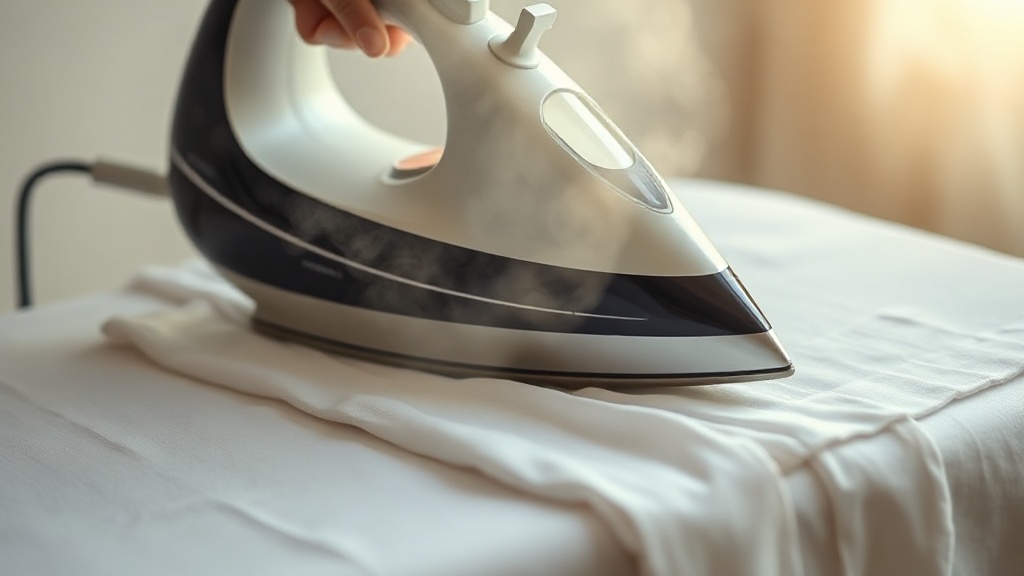
Steam ironing adds moisture, which helps relax fibres and is ideal for most fabrics to prevent scorching and give a natural look. Dry ironing is better for fabrics prone to water damage or for simple wrinkles on thicker materials.
For structured garments, delicate textiles, or when you desire a truly crisp, polished finish – such as the precise pleats on an Eton College uniform or a commuter's dress shirt – professional pressing is invaluable. Professional services utilise specialised equipment for superior results.
Consider professional pressing for items like formal shirts, delicate dresses, and intricate linens, especially if you're in areas like Eton, Windsor, or Datchet. Eton Ironing offers professional results, with shirts and blouses at £2.20 and bedding sets from £8.50, providing a superior finish and saving you valuable time. For busy families and professionals in our collection areas, the convenienc