In the bustling heart of West Berkshire, where commuters from Kintbury and Great Bedwyn prepare for their day and families across Inkpen and Shalbourne manage their household routines, the seemingly simple act of caring for clothes and linens often becomes a delicate balance of time and expertise. From the everyday shirts donned for work to the comforting embrace of freshly laundered bedding, maintaining the pristine condition of our fabrics is a small luxury that makes a big difference. This guide, brought to you by Hungerford Ironing, aims to demystify the art of fabric care, ensuring your garments and linens always look their best.
Hungerford, a town steeped in history—its very name originating from an Anglo-Saxon term meaning 'ford leading to poor land'—understands the value of enduring traditions and practical solutions. Just as the unique Hocktide celebration, marking the end of the town council's financial year, brings a sense of community and continuity, so too does consistent fabric care contribute to the longevity and appearance of our cherished items. Whether you're preparing for the Hocktide festivities or simply ensuring your everyday wardrobe is impeccable, understanding your fabrics is the first step.
From the crispness of a professionally pressed shirt to the smooth comfort of a well-cared-for duvet cover, the right approach to ironing and storage can transform your laundry routine. We'll explore the nuances of various fabric types, the debate between steam and dry ironing, and crucial storage tips to keep that freshly pressed look lasting longer. For those busy individuals and families in Hungerford, Ham, and Ramsbury, where time is a precious commodity, knowing when to enlist professional help can be a game-changer.
At Hungerford Ironing, we believe in providing not just a service, but a genuine understanding of fabric care. Our door-to-door collection and delivery service across Hungerford and nearby areas offers a convenient solution for those who seek professional results without the hassle. With our expert partners handling your shirts, bedding, and everything in between, you can reclaim your valuable time, perhaps to enjoy the local charm or simply relax, knowing your garments are in capable hands.
The essentials
Cotton Shirts
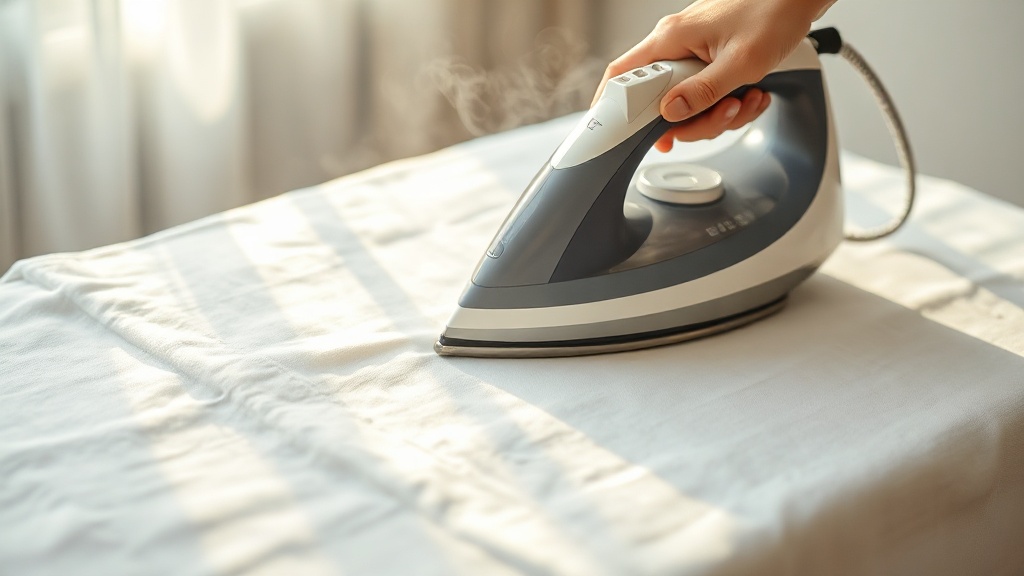
Cotton is a durable natural fibre that tolerates high heat. For best results, iron cotton while it's still slightly damp, or pre-moisten with a spray bottle. Use a high heat setting, typically between 180-200°C (350-400°F), and ample steam. Ironing dark cotton inside out can prevent shine marks.
Linen Shirts & Tablecloths
Linen can withstand the highest temperatures among common fabrics. Iron linen when it is still damp, using a high heat setting, ideally around 200-230°C (390-445°F). Use plenty of steam and iron on the reverse side to prevent shine.
Silk Blouses & Delicates
Silk is a delicate fabric requiring low heat, typically between 100-110°C (230-250°F). Iron silk on the reverse side, ideally while slightly damp, and use a pressing cloth to protect the fabric. Avoid direct steam, as it can leave water marks. Steaming is often preferred over ironing for silk.
Wool Garments
Wool benefits from steam ironing at a medium heat setting, around 130-150°C (300°F). Use a pressing cloth to avoid direct contact with the iron, which can cause permanent shine. For knitwear, it's best to steam without any soleplate contact.
Polyester & Synthetics
Polyester and other synthetics are heat-sensitive and should be ironed on a low to medium heat setting, around 110-150°C (230-300°F). Always iron on the reverse side and use a pressing cloth to prevent shine or melting. Use steam sparingly or not at all, as polyester does not absorb water well.
Rayon & Viscose
Rayon and Viscose are sensitive to heat and can shrink or become misshapen. Iron on the reverse side using a low to medium heat setting, approximately 110-150°C (230-300°F). Avoid using steam, as it can damage the fabric or leave watermarks. Press and lift the iron rather than dragging it to avoid stretching the fabric.
Good to know
Always check the care label on your garment first. The iron symbol (one, two, or three dots) indicates the maximum temperature.
Steam irons are generally more effective for removing stubborn wrinkles and are gentler on most fabrics by relaxing fibres. Dry irons are better for delicate fabrics prone to water damage or those that don't require much moisture.
A clean cotton cloth placed between the iron and your garment protects delicate fabrics from direct heat, prevents shine, and helps distribute heat evenly.
For natural fibres like cotton and linen, ironing while slightly damp helps to relax the fibres and makes wrinkle removal more efficient.
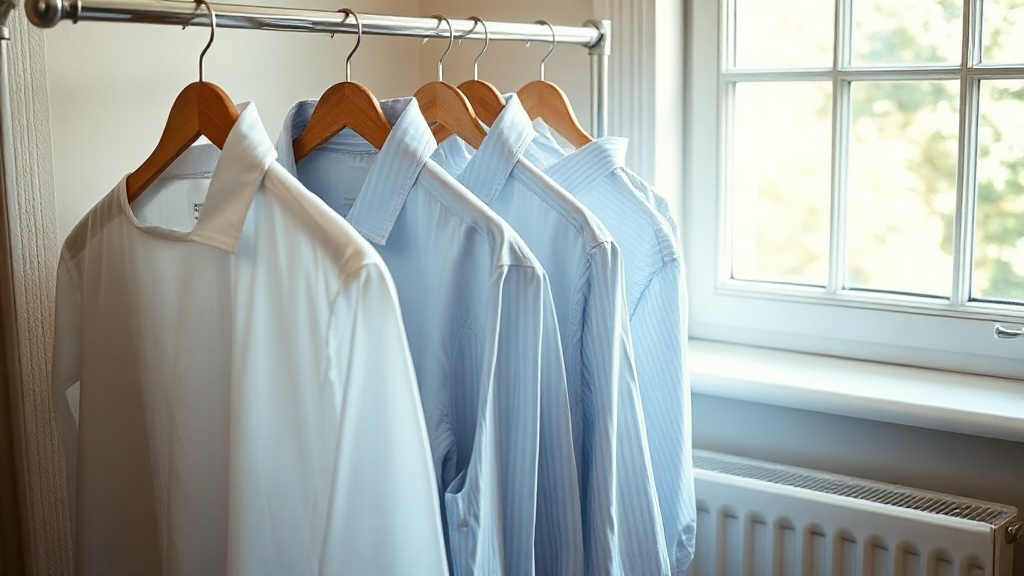
To maintain that freshly pressed look, hang garments immediately after ironing, ensuring they cool completely before folding or wearing. Use appropriate hangers to preserve their shape.
For delicate or structured garments like suits, dresses, wool, and silk, professional dry cleaning and pressing are often the safest and smartest way to protect quality, fit, and lifespan. Professional services offer enhanced hygiene, specialised stain removal, and can extend the life of your clothes, saving you money in the long run.