In the bustling heart of Berkshire, where commuters from Bray, Taplow, and Cookham rely on a polished appearance for their daily journeys into London, and families in Holyport and White Waltham appreciate well-maintained homes, the art of fabric care is more relevant than ever. Maidenhead itself, with its rich history stretching back to a Royal Charter granted by Queen Elizabeth I in 1582 and Brunel's iconic railway bridge, understands the value of enduring quality and meticulous attention to detail. Just as Maidenhead United Football Club's York Road ground stands as a testament to continuous care and tradition, so too should our approach to our garments and linens.
Achieving that crisp shirt or beautifully smooth bedding isn't just about owning an iron; it's about understanding fabrics, mastering techniques, and knowing when to call in the professionals. This guide, brought to you by Maidenhead Ironing, aims to demystify fabric care, providing genuinely expert advice to ensure your clothes and linens not only look their best but also last longer. Whether you're preparing for a busy week on the Elizabeth Line or refreshing your home, proper fabric care makes a significant difference.
From the delicate weaves that should never meet an iron to the robust cottons that thrive under high heat, we'll cover essential pressing methods, the ongoing debate of steam versus dry ironing, and smart storage solutions that keep your hard work from unravelling. We'll also explore those instances where professional pressing isn't just a luxury, but a wise investment, ensuring your most cherished items receive the specialised attention they deserve. After all, life in Maidenhead, from Littlewick Green to the town centre, is busy enough without battling stubborn wrinkles.
Maidenhead Ironing offers a convenient door-to-door ironing collection and delivery service across Maidenhead and nearby areas, saving you precious time. With free collection for orders over £25 in Maidenhead and over £35 in surrounding villages, and a typical 48-hour turnaround (confirmed upon order acceptance), maintaining a pristine wardrobe has never been easier. Consider our Ironing Pro membership for 15% off every collection, making expert care an everyday reality.
The essentials
Cotton Shirts
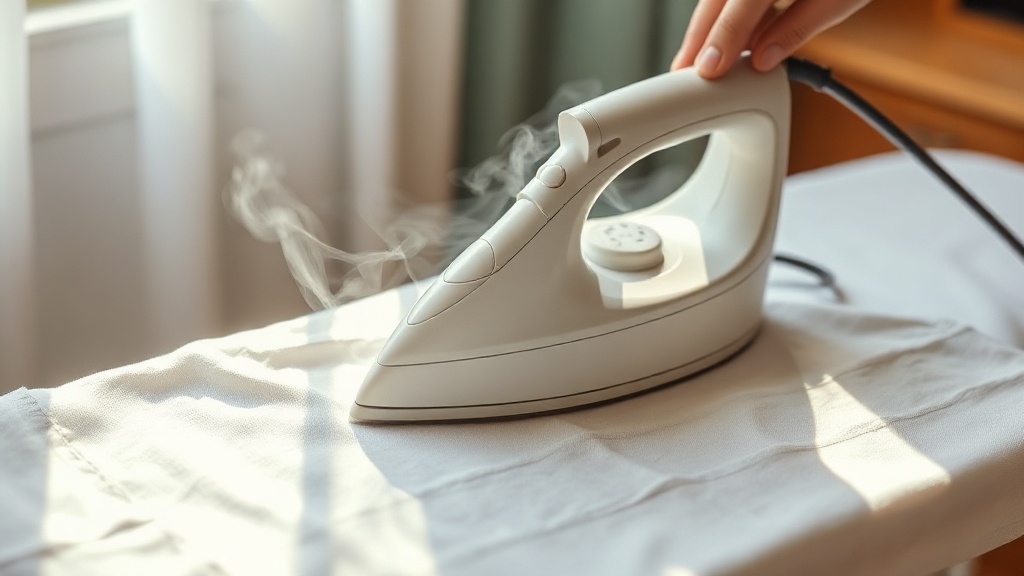
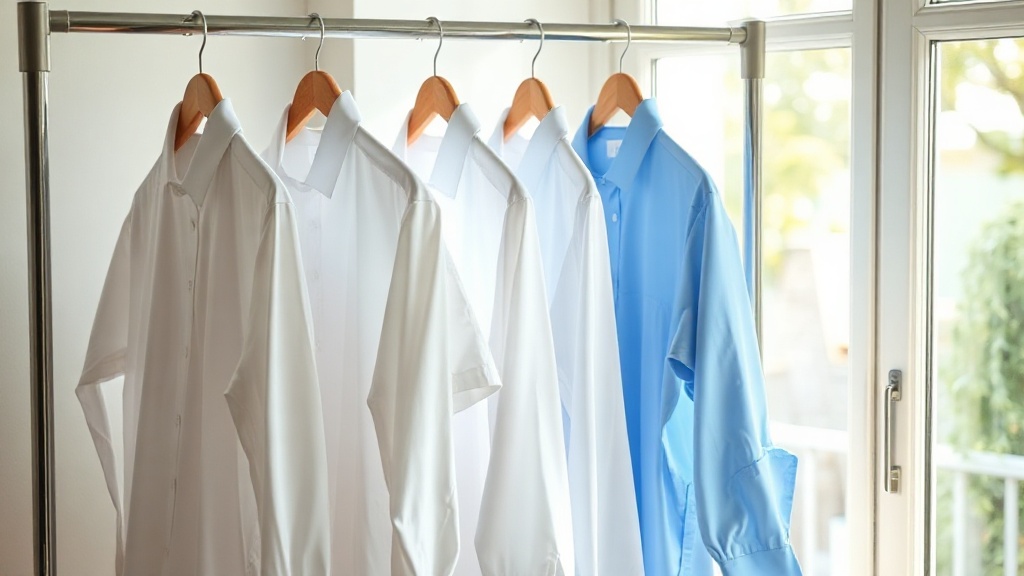
For that impeccably crisp finish, cotton shirts should be ironed while slightly damp, using a high heat setting. Start with the collar, pressing from the tips towards the middle on both sides, then move to the cuffs, sleeves, and finally the front and back, carefully navigating around buttons.
Linen Bedding & Tablecloths
Linen, known for its natural texture, benefits greatly from ironing while still slightly damp. Use a high heat setting, ideally with steam, and iron items inside out to protect the fabric's appearance. For larger items like sheets, fold them in half for easier handling.
Wool Trousers
Wool trousers should be pressed using a steam iron on a cotton temperature setting, always with a thick cotton pressing cloth between the iron and the wool to prevent scorching or shine. Press firmly rather than sliding the iron, and work in sections to maintain sharp creases.
Silk Garments
Silk is a delicate fabric that requires a very low temperature if ironing is necessary, and it should always be done inside out with a protective cloth. Steaming is often a gentler and safer alternative for removing wrinkles from silk without risking damage.
Delicates (Lace, Chiffon, Cashmere)
Many delicate fabrics like cashmere, lace, and chiffon should never meet a hot iron as they can easily warp, burn, or lose their texture. For these items, steaming is the recommended method to relax wrinkles, or simply hanging them to allow creases to fall out naturally.
Embellished Items
Garments with beads, sequins, or other embellishments should generally be avoided with a direct iron. If pressing is essential, do so on the reverse side on a low heat setting, placing a towel underneath the embellished area for protection, or opt for steaming.
Good to know
Ironing most fabrics, especially cotton and linen, when they are slightly damp makes wrinkle removal significantly easier and more effective.
For delicate materials or dark fabrics prone to shine, always use a clean cotton pressing cloth between the iron and the garment to protect the fabric.
Match the iron's temperature to the fabric type. High heat is suitable for cotton and linen, while delicates like silk and synthetics require much lower temperatures.
Steam helps relax fabric fibres, making wrinkles easier to remove and preventing scorching. A steam iron is generally more efficient than a dry iron for most garments.
Once ironed, allow garments to cool completely before hanging or folding to prevent new wrinkles from setting. Use appropriate hangers for shirts and trousers.
For complex garments, stubborn stains, or simply to save time, professional pressing services are invaluable. Items like intricate dresses, suits, or large bedding sets (a king duvet cover is £5.50, a king bedding set £9.95 with Maidenhead Ironing) benefit immensely from expert care.