In the heart of Berkshire, where the historic Royal Military Academy Sandhurst has stood since 1812, and the ancient woodlands once provided for a small farming community, the rhythm of daily life often demands a pristine presentation. Whether you're a commuter heading into London, a parent juggling family life in College Town or Owlsmoor, or simply someone who appreciates the crisp comfort of freshly pressed linens, understanding fabric care is essential. From the sandy soils that give Sandhurst its name to the modern homes of Blackwater and Frogmore, maintaining garments and bedding can feel like a constant battle against wrinkles.
This guide, brought to you by Sandhurst Ironing, aims to demystify the art of pressing, offering genuinely expert advice for a range of fabrics. We know that for busy individuals and families across Sandhurst, Camberley, Little Sandhurst, and Crowthorne, time is a precious commodity. That's why we’re here to help you achieve that perfectly polished look, whether you choose to tackle the ironing pile yourself or opt for the convenience of our door-to-door service.
Achieving that immaculate finish isn't just about owning an iron; it's about knowing your fabrics, understanding the nuances of heat and moisture, and employing the right techniques. From delicate blouses to sturdy denim, each material responds differently to care. We'll delve into the specifics, ensuring your shirts, bedding, and even those tricky delicates receive the attention they deserve.
Consider this your definitive resource for keeping your wardrobe and home textiles looking their absolute best. We’ll cover everything from the ideal iron settings for various fabrics to smart storage solutions that preserve your hard work, and when it’s truly worth entrusting your items to the hands of professionals.
The essentials
Cotton Shirts
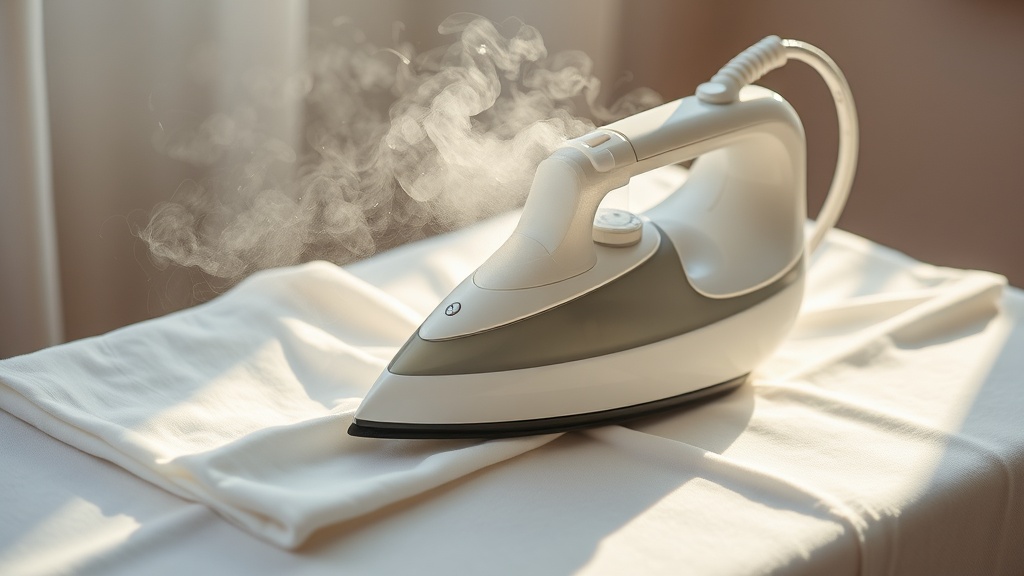
Cotton is a durable natural fibre that can withstand high heat. For best results, iron cotton shirts while they are still damp, using a high heat setting and steam to effectively remove wrinkles. To prevent shine marks on darker cotton, iron garments inside out. Sandhurst Ironing offers professional pressing for shirts and blouses at £2.20 each.
Linen Bedding
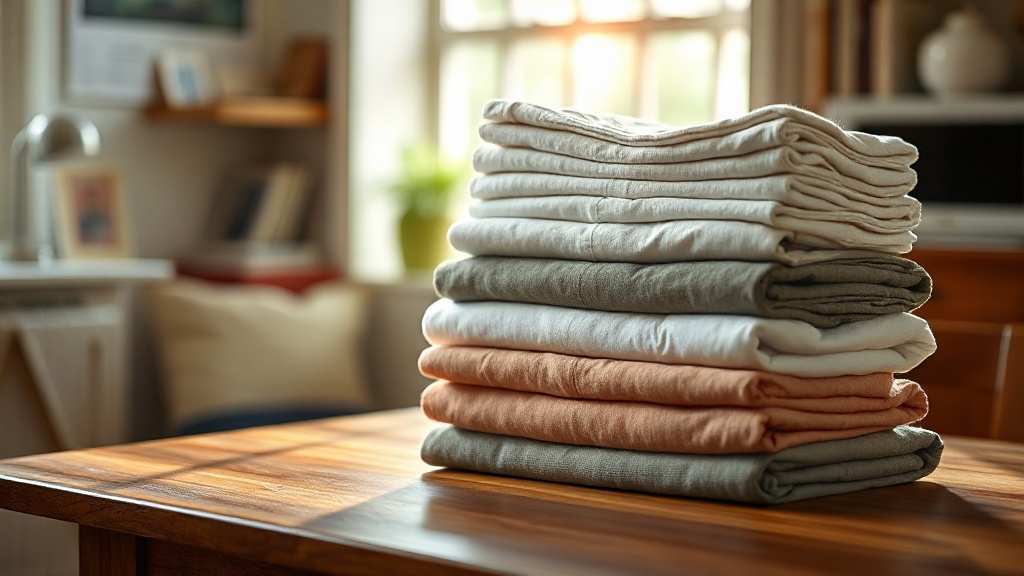
Linen, another robust natural fibre, also benefits from high heat and steam. Iron linen bedding while it's slightly damp, setting your iron to the linen or cotton setting. Ironing inside out can help protect the fabric's texture and prevent shine. A double duvet cover costs £4.50 to be professionally ironed, and a king-size is £5.50.
Delicate Silk & Satin
Silk and satin require a gentle approach. Iron these fabrics inside out on the lowest heat setting, typically around 110°C (230°F), and avoid using steam directly on the fabric to prevent water spots or weakening of fibres. A pressing cloth is highly recommended.
Rayon & Modal Garments
Rayon and Modal are sensitive fabrics that should be ironed on a low heat setting, similar to wool or silk, around 110-150°C (230-300°F). Always turn rayon and modal garments inside out to prevent shine and potential damage. Ironing while slightly damp or using a pressing cloth is also beneficial.
Denim Jeans
For standard cotton denim, a medium-to-high heat setting works well, often with steam for stubborn wrinkles. Always iron denim inside out to protect the outer surface, prevent shine, and preserve colour. For stretch denim, use a medium setting to protect the elastane fibres. Trousers, including jeans, are £2.20 for professional pressing.
Cashmere & Wool
Cashmere and wool are best ironed inside out on a low heat setting with minimal steam, or by using a damp cloth between the iron and the fabric. Avoid direct contact with the iron and never press too hard to prevent damage to the fibres. Alternatively, steaming can effectively remove wrinkles without direct heat.
Good to know
The garment care label is your primary guide, indicating the maximum ironing temperature and whether steam is allowed.
Steam is excellent for natural fibres like cotton and linen, helping to relax wrinkles more effectively. For delicate synthetics, silk, and satin, dry ironing on a low setting is often safer to prevent damage.
For delicate fabrics, dark colours, or items prone to shine, always place a thin cotton pressing cloth between the iron and the garment to diffuse heat and protect the fabric.
Many fabrics, especially cotton and linen, are easier to iron when slightly damp. This allows wrinkles to smooth out more readily.
Turning garments inside out protects the outer surface from direct heat, preventing shine marks and preserving the colour, particularly for dark fabrics and delicates.
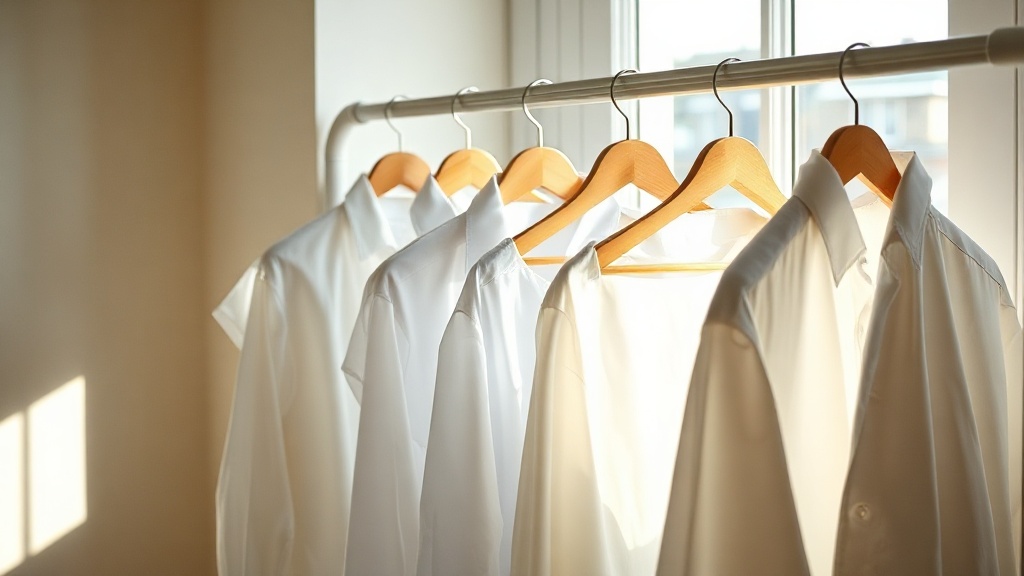
Hang shirts immediately after ironing on wooden or padded hangers to maintain their shape and prevent new wrinkles. For folded items like bedding, ensure they are completely cool before folding and store in breathable fabric bags, avoiding overpacking.