In the bustling life of Windsor, from commuters heading into London to families enjoying the Great Park, presentation matters. A crisp shirt, freshly pressed linens, and perfectly maintained garments speak volumes. Yet, the art of fabric care can seem daunting, a task often relegated to the bottom of the to-do list amidst school runs in Clewer or leisurely strolls through Eton. This guide aims to demystify the process, offering genuinely expert advice to ensure your wardrobe and home textiles always look their best.
From the ancient stones of Windsor Castle, where the oldest working kitchen in the country has served 33 monarchs, to the charming streets of Datchet and Bray, a sense of timeless elegance permeates our community. This extends to how we care for our belongings. Proper fabric care not only enhances appearance but also prolongs the life of your cherished items, making them a sustainable choice in the long run. Understanding the nuances of different materials and the correct techniques for pressing and storage can transform your daily routine.
Whether you're preparing for a special occasion at the Windsor Guildhall, a venue that hosted the wedding of King Charles III and Queen Camilla, or simply want to ensure your everyday shirts are impeccably pressed, this guide covers it all. We'll delve into the specifics of various fabric types, the optimal methods for pressing, and crucial storage tips to keep that freshly ironed look locked in. We'll also explore when the convenience and expertise of professional pressing, like that offered by Windsor Ironing, truly shine.
For those living in Ascot or Sunninghill, the demands of a busy lifestyle often mean time is a precious commodity. This is where services that simplify daily chores become invaluable. Imagine the ease of having your shirts and bedding collected and delivered, perfectly pressed, allowing you more time to enjoy all that our beautiful area has to offer. Let's embark on a journey to master fabric care, ensuring every item in your home reflects the discerning standards of Windsor living.
The essentials
Cotton Shirts
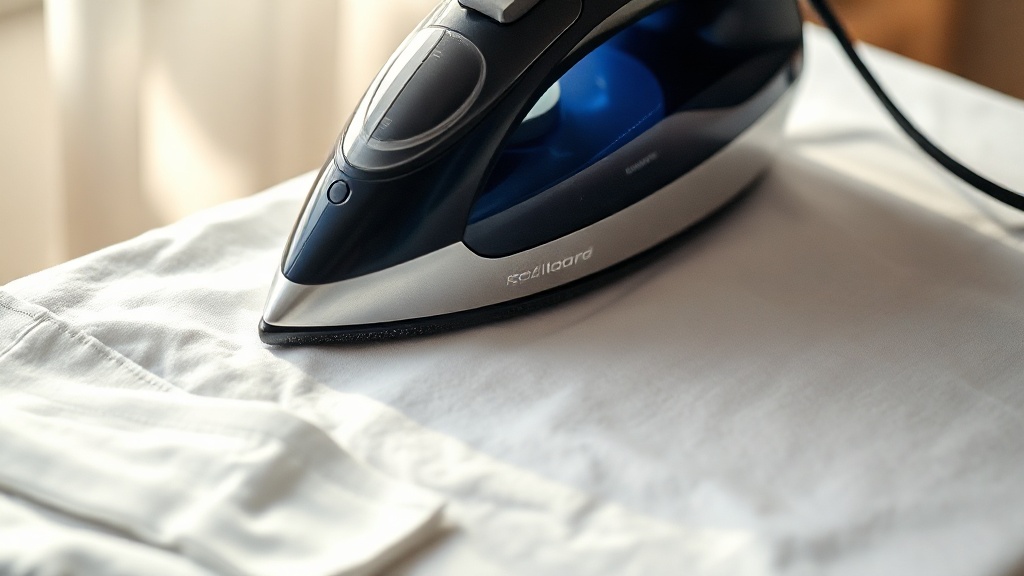
Cotton is a durable, heat-tolerant fabric that responds well to high heat and steam. For best results, iron cotton while it's slightly damp. To prevent shine marks on dark cotton fabrics, iron garments inside out and keep the iron moving continuously.
Linen Shirts
Linen is known for its tendency to wrinkle, but it also withstands high heat. Use a high heat setting and plenty of steam, ideally ironing the garment while it's still damp. Ironing linen on the reverse side or using a pressing cloth can prevent a glossy finish.
Silk & Delicates
Silk and other delicate fabrics like satin and lace require low heat, typically around 110°C, with little to no steam. Always iron silk inside out and use a pressing cloth between the iron and the fabric to protect it. Never place a hot iron directly onto silk.
Synthetic Blends (e.g., Polyester, Rayon)
Synthetic fabrics and blends generally require a medium heat setting, around 150°C. Iron polyester on the reverse side or use a pressing cloth to prevent shine. Rayon should also be ironed on the reverse side using medium heat and no steam to prevent shrinking or misshaping.
Bedding (Cotton & Linen)
Cotton and linen bedding can handle high heat and steam. For duvet covers and sheets, ironing while slightly damp will yield the best, crisp results. Ironing duvet covers and sheets can be a time-consuming task, especially for larger sizes.
Embroidered Items
When ironing hand-embroidered clothes, always turn the garment inside out. Iron around the embroidery rather than directly over it, using a pressing cloth and steam instead of a hard press. Avoid ironing straight over mirror work.
Good to know
Always check the care label on your garments. These symbols are a universal language for laundry, indicating appropriate washing, drying, and ironing temperatures.
Before you begin, sort your items by fabric type. This allows you to iron from lowest to highest temperature, preventing damage to delicate materials.
Steam helps relax fabric fibres and is ideal for natural materials like cotton and linen to effectively remove wrinkles. For delicate fabrics like silk, avoid steam or use it sparingly.
For delicate fabrics, dark colours, or items prone to shine, a thin cotton pressing cloth acts as a protective barrier between the iron and the garment.
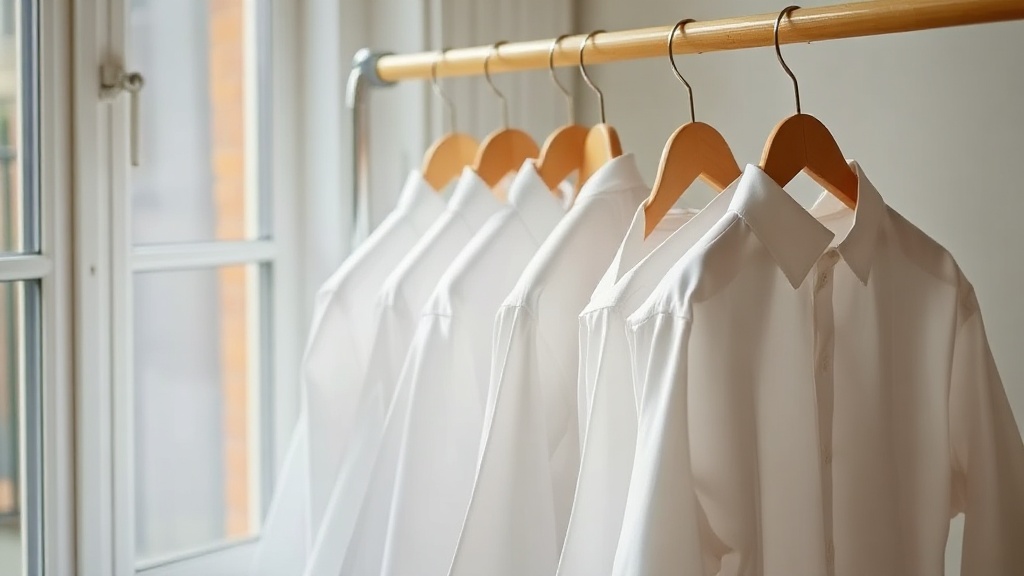
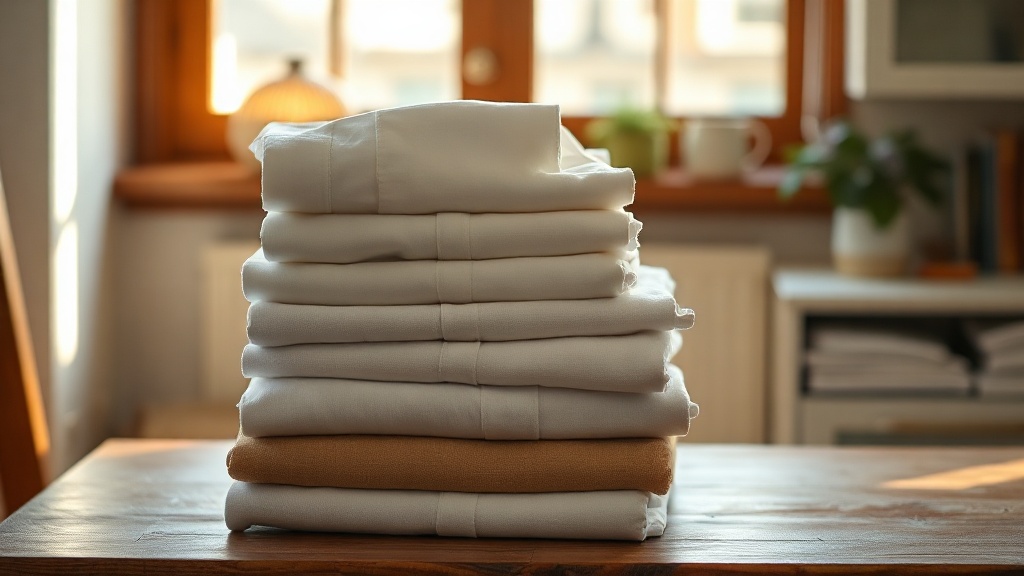
To maintain that freshly pressed look, store items properly. Hang shirts on wide or padded hangers, and fold heavy embroidered items rather than hanging them to prevent distortion. Ensure clothes are clean and completely dry before storing to prevent mildew. Breathable garment bags are excellent for long-term storage.
For intricate items, delicate fabrics, or simply to save time, professional pressing is an excellent solution. Windsor Ironing offers door-to-door collection and delivery, with a typical 48-hour turnaround confirmed upon order acceptance. With prices like shirts and blouses at £2.20, and a double bedding set for £8.50, it's a convenient way to ensure a consistently crisp finish, especially for bus