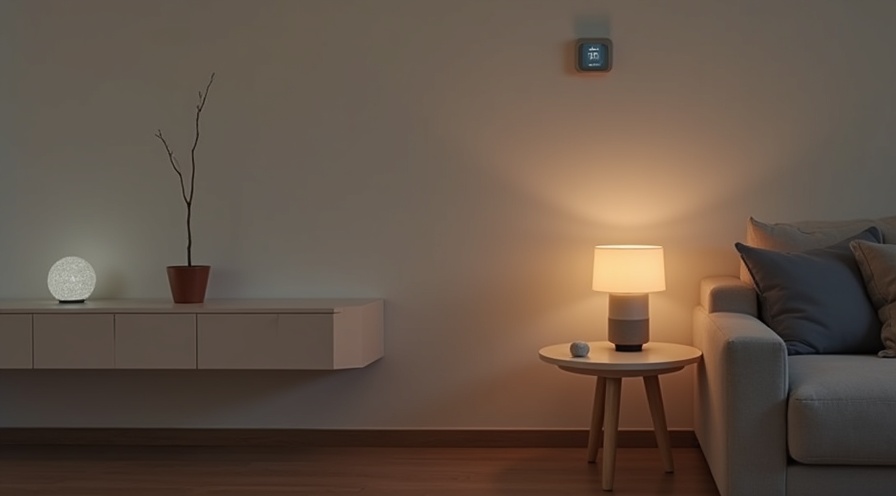
The smart home has finally matured. Gone are the days of gimmicky gadgets and fragmented apps. In 2026, the focus is on practical, integrated systems that genuinely enhance convenience, security, and efficiency, all unified under protocols like Matter that ensure they speak the same language.
This guide is designed for the modern beginner. We are skipping the novelties and focusing on a foundational kit of five devices that provide immediate, tangible benefits. This is your blueprint for building a smart home that is helpful, not a headache, and ready to expand when you are.
Clever things to do in Home
A Capable Smart Speaker
This is your central controller. Choose a current-gen model like the Amazon Echo or Google Nest Hub. Their 2026 versions have improved on-board processing for faster responses and act as Thread border routers for the Matter ecosystem.
Smart Plugs (Matter-Enabled)
The simplest and most versatile smart device. Use them to add voice and schedule control to 'dumb' appliances like lamps, fans, or coffee makers. Opt for a multi-pack of Matter-certified plugs for maximum compatibility.
Smart Thermostat
A smart thermostat from a brand like Nest or Hive is a day-one money saver. It learns your routine, optimises your heating schedule, and allows for remote adjustments, noticeably reducing your energy bills.
Video Doorbell
An essential security and convenience tool. A model from Ring or Nest provides motion alerts, two-way talk, and a clear view of your doorstep, whether you are home or away. It also acts as a brilliant parcel delivery monitor.
Smart Lighting Starter Kit
Begin with a Philips Hue or Nanoleaf starter kit. This usually includes a hub and a few colour-capable bulbs. Smart lighting is great for security (mimicking presence), convenience (voice control), and setting moods (scene changes).
Know before you go
While Matter helps devices communicate, you will still primarily use one app (Google Home, Apple Home, Amazon Alexa) to control them. Choose the one you are most comfortable with and build around it for a smoother experience.
A weak Wi-Fi signal is the number one cause of smart home frustration. Before you buy, check you have a strong, reliable signal in the locations you plan to place your devices. Consider a mesh Wi-Fi system if you have dead spots.
Do not try to automate your entire house at once. Start with one or two devices that solve a specific problem, such as controlling hard-to-reach lamps with a smart plug or saving energy with a thermostat. Build from these successes.
Be aware that some devices, particularly video doorbells and security cameras, require an optional monthly subscription to unlock their full potential, such as extended video history storage. Factor this into your budget.