In the heart of the Valley of the Racehorse, where the River Lambourn gently flows and ancient burial mounds dot the landscape above Upper Lambourn, life moves at a pace that often leaves little time for the meticulous art of fabric care. Whether you're a commuter dashing to the station, a busy parent juggling family life, or simply someone who appreciates the crispness of a perfectly pressed shirt, maintaining your wardrobe can feel like another hurdle in a busy week.
From the well-drained, spongy grass of the downs that make Lambourn a premier horse racing training centre, to the bustling homes in Eastbury, Lambourn Woodlands, and Great Shefford, the need for clean, well-presented clothing is a constant. We understand that not everyone has the time or inclination to master the nuances of ironing every fabric type, from delicate silk blouses to robust cotton bedding. That's where expert knowledge, and indeed, expert help, becomes invaluable.
This guide is designed to demystify fabric care, offering practical advice on everything from understanding your garment labels to the subtle differences between steam and dry ironing. We'll explore how to handle various materials, ensuring your clothes and linens look their best and last longer. Because, just as the village's name is thought to refer to the dipping of lambs in the river, proper care involves understanding the unique needs of each textile.
For those residing in Lambourn, Upper Lambourn, Eastbury, Lambourn Woodlands, Great Shefford, Baydon, and Wantage, achieving that pristine finish for your shirts, bedding, and everyday wear is simpler than you might think. We'll also highlight when professional pressing, like that offered by Lambourn Ironing, is not just a luxury, but a smart investment, freeing up your valuable time for what truly matters.
The essentials
Cotton Shirts
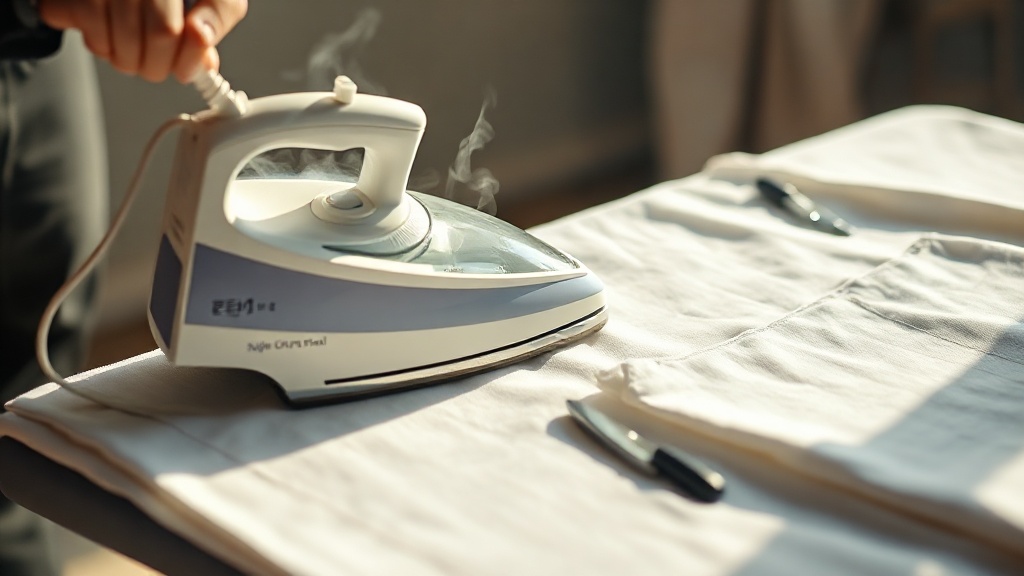
Cotton, a natural fibre, can withstand high heat. For best results, iron cotton shirts while they are still damp, or pre-moisten them with a spray. Use a high heat setting, typically between 180-200°C (350-400°F), and steam to effectively remove wrinkles. To prevent shine marks on dark cotton fabrics, iron them inside out and keep the iron moving continuously.
Linen Bedding
Linen, like cotton, is a durable natural fibre that can tolerate high heat. Iron linen bedding when it's still slightly damp, using a high heat setting, up to 230°C (450°F), with steam. Ironing linen inside out can also help protect the fabric.
Delicate Silks
Silk requires a gentle touch. Iron silk garments on a low or medium heat setting, around 110°C (230°F), and always iron them inside out. Avoid using steam directly on silk, as excessive steam can leave water spots or weaken delicate fibres. A pressing cloth can offer additional protection.
Wool Garments
Wool should be ironed at a medium temperature, around 150°C (300°F). Use a pressing cloth and iron on the 'wrong' side of the fabric. Avoid pressing hard and use steam at a distance, or with a pressing cloth, as direct steam can damage the fibres. Always check the care label for specific instructions.
Rayon Blouses
Rayon is a delicate fabric that can lose strength when wet. If ironing is necessary, use a low heat setting, around 110°C (230°F), and iron the garment inside out to prevent a sheen. It's generally best to avoid steam when ironing rayon. For 100% rayon, dry cleaning is often recommended to maintain its sheen and silkiness.
Polyester Trousers
Polyester is a synthetic fabric that can be damaged by high heat. Iron polyester trousers on a low or medium heat setting, typically around 110-150°C (230-300°F). It's best to iron polyester while it's still damp, or pre-moisten it with a spray bottle. Turning garments inside out can help protect the outer surface.
What Should Never Meet an Iron
Some fabrics, particularly those with delicate embellishments, certain synthetics, or items with a 'Do Not Iron' symbol (a crossed-out iron on the care label), should never be ironed directly. High heat can melt, scorch, or permanently damage these materials. When in doubt, always refer to the garment's care label. If an item is marked 'Dry Clean Only,' it's best to follow those instructions.
Good to know
The iron symbol on a care label provides crucial information: one dot for low heat (110°C), two for medium (150°C), and three for high (200°C). A crossed-out iron means no ironing at all.
Steam ironing is generally more effective for natural fibres like cotton and linen, helping to relax fibres and remove stubborn wrinkles. Dry ironing is better suited for delicate fabrics or those prone to water damage, such as acetate or acrylic, and when excessive moisture could be detrimental.
Always sort your items by fabric type and start ironing with those requiring the lowest heat setting (synthetics and silks) and gradually increase the temperature for wool, cotton, and linen. This prevents waiting for the iron to cool down.
To maintain that freshly pressed look, hang clothes immediately after ironing. For items that can be folded, roll them to avoid sharp creases, or lay them flat. Ensure garments are completely cool before storing to prevent new wrinkles.
For busy individuals and families in areas like Wantage or Baydon, professional ironing saves significant time and effort. It ensures a crisp, professional finish, protects delicate fabrics, and can extend the life of your clothing by preventing damage from improper techniques. Lambourn Ironing offers convenient door-to-door collection and delivery, with shirts and blouses at £2.20, bedding sets f
For regular users, the Ironing Pro membership at £2.50/month offers 15% off every collection, making professional care even more cost-effective for commuters and families who value their time and the pristine appearance of their garments.