In Reading, where busy commuters from areas like Caversham and Earley navigate their daily routines, and families in Woodley and Sonning juggle countless responsibilities, the pursuit of a perfectly pressed garment might seem like a luxury. Yet, the satisfaction of crisp shirts, smooth bedding, and impeccably maintained linens is undeniable, elevating both appearance and comfort. Just as Reading itself, a vibrant hub with a rich history, from its Abbey's Royal Connections to its 'Biscuit Town Legacy,' maintains its unique character despite being the UK's largest town without city status, so too does each fabric possess its own distinct qualities requiring specific care.
This guide from Reading Ironing is designed to demystify the art of fabric care, offering expert advice on everything from pressing delicate silk blouses to achieving that hotel-crisp feel for your bedding. We understand that your time is precious, whether you're heading to a meeting or enjoying a leisurely weekend by the Thames. That's why we bring professional care right to your doorstep, offering convenient door-to-door collection and delivery services across Reading, Pangbourne, and Mortimer, ensuring your garments and linens are returned in pristine condition, typically within 48 hours, confirmed when your order is accepted.
Proper fabric care extends beyond just ironing; it encompasses understanding material properties, choosing the right techniques, and storing items correctly to preserve their pristine state. A well-cared-for wardrobe not only looks better but also lasts longer, a sustainable approach that benefits both your pocket and the planet. From the delicate weaves that require a gentle touch to the robust fabrics that demand higher heat, knowing the nuances can transform your laundry routine from a chore into a rewarding practice.
Whether you're a seasoned pro with an iron or new to the world of fabric care, this guide will equip you with the knowledge to tackle common challenges and maintain your textiles with confidence. And for those times when life in our bustling town leaves little room for ironing, remember that Reading Ironing is here to help, offering expert pressing services for a wide range of items, from shirts and blouses at £2.20 each to king-sized bedding sets for £9.95.
The essentials
Cotton Shirts
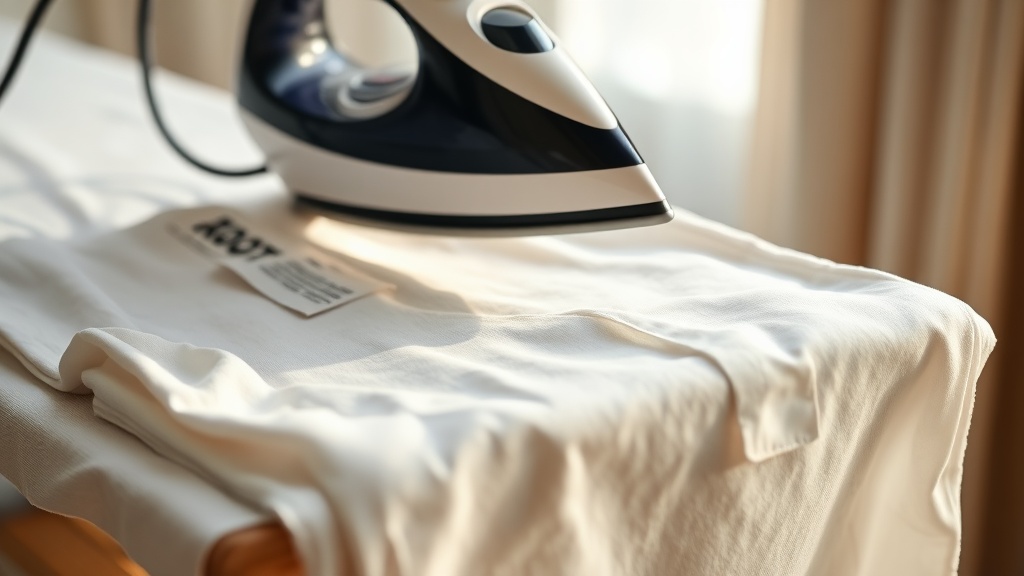
Cotton is a natural workhorse fabric that tolerates high heat and benefits greatly from steam. Iron cotton shirts while they are still slightly damp for the best results. Use a high heat setting (three dots on most irons) and iron the shirt inside out to prevent shine, especially on darker colours.
Linen Garments
Linen, another natural fibre, is known for its elegant drape but also its tendency to wrinkle easily. Like cotton, linen responds well to high heat and steam, and is best ironed when slightly damp. Iron on the reverse side or use a pressing cloth to avoid a glossy finish.
Silk Blouses
Silk is a delicate natural fibre that requires a low heat setting (one dot) and should ideally be ironed without direct steam to prevent water spots. Always iron silk garments inside out and use a pressing cloth for added protection. Some sources suggest using a silk setting with steam if available.
Wool Items
Wool is sensitive to direct heat and can shrink, felt, or warp if ironed incorrectly. Use a medium heat setting (two dots) and iron with steam, hovering the iron slightly above the fabric or using a pressing cloth. Never press down hard on wool.
Cotton Bedding & Linens
Achieving that crisp, hotel-like feel for your cotton bedding and tablecloths is entirely possible. Iron cotton sheets and duvet covers on a high heat setting with steam, ideally while they are still slightly damp. For fitted sheets, secure the corners over the ironing board to make the process easier.
Delicates & No-Iron Fabrics
Certain fabrics should never meet a hot iron. These include cashmere, velvet, leather, suede, lace, muslin, and many synthetics like acrylic, nylon, and spandex. High heat can melt, scorch, flatten textures, or damage these delicate materials. For these, steaming is a much safer alternative.
Good to know
Always check the garment's care label first; it provides the manufacturer's specific instructions and recommended iron temperature settings.
Before you begin, sort your laundry by fabric type, ironing delicate, low-heat items first and progressing to those requiring higher temperatures. This prevents damage from an iron that's too hot.
Steam ironing is generally preferred for most fabrics as it adds moisture, relaxes fibres, and helps remove wrinkles more effectively without scorching. Dry ironing is better for fabrics prone to water damage or for light wrinkles.
For shirts, tackle the collar first (ironing from the tips inwards on both sides), then the cuffs, sleeves (lining up the seam), shoulders, and finally the front and back panels.
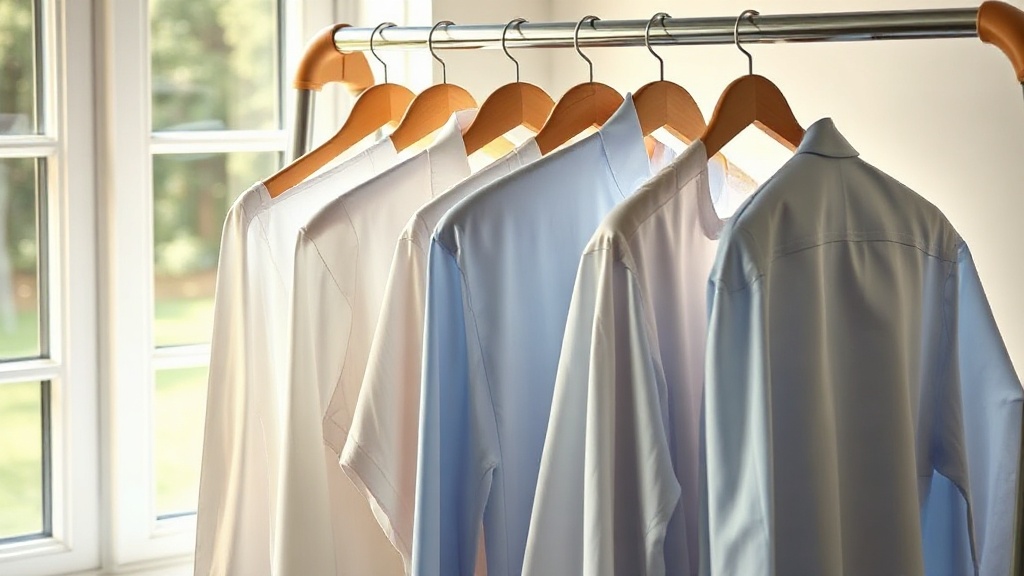
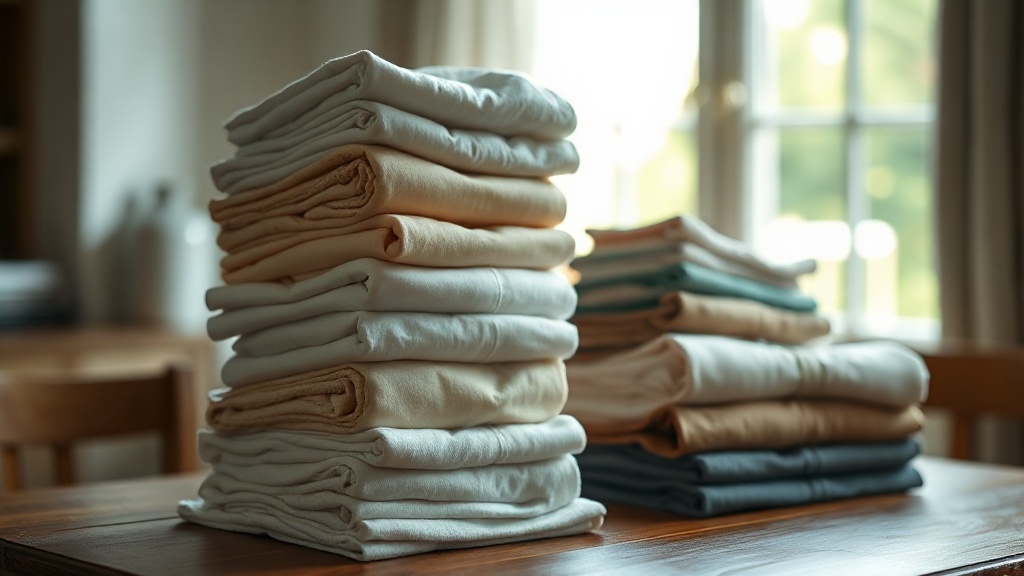
To keep your freshly pressed items wrinkle-free, hang shirts and dresses immediately after ironing. For bedding, fold neatly and store in a linen cupboard. Proper storage is key to making your efforts last.
For intricate garments, delicate fabrics, or simply to save time, professional pressing is an invaluable service. Reading Ironing offers expert care, ensuring a flawless finish for items like dresses (£3.50) and jackets (£4.50), with free collection in Reading for orders over £25.