In the vibrant tapestry of daily life across Slough, Windsor, and Maidenhead, our clothes and linens play a significant role. From the crisp shirts worn by those working at the renowned Slough Trading Estate to the comforting bedding that welcomes families home, proper fabric care isn't just about appearances – it's about preserving quality, extending lifespan, and ensuring comfort. Just as Forrest Mars Sr. innovated chocolate delights like the Mars Bar and Maltesers right here in Slough, we aim to innovate your approach to fabric care.
This comprehensive guide delves into the nuances of caring for your garments, offering expert advice on everything from pressing delicate silks to storing robust cottons. We'll explore the specific requirements of various fabrics, ensuring your wardrobe remains impeccable, whether you're heading to an important meeting or simply enjoying a relaxing weekend in areas like Cippenham Green.
Understanding the correct techniques for ironing and storage can transform your laundry routine. It’s about more than just removing wrinkles; it’s about treating each item with the respect it deserves, ensuring it looks its best for longer. This is particularly true for busy individuals and families who value both efficiency and excellence in their home care.
While this guide provides a wealth of knowledge for home care, there are times when professional expertise is simply unmatched. For those moments, Slough Ironing offers a convenient door-to-door collection and delivery service across Slough, Windsor, Maidenhead, Egham, Staines, Hayes, Bracknell, and Wokingham. Let us take the burden of pressing off your shoulders, delivering perfectly cared-for items back to your doorstep, typically within 48 hours of your order being accepted.
The essentials
Cotton Shirts
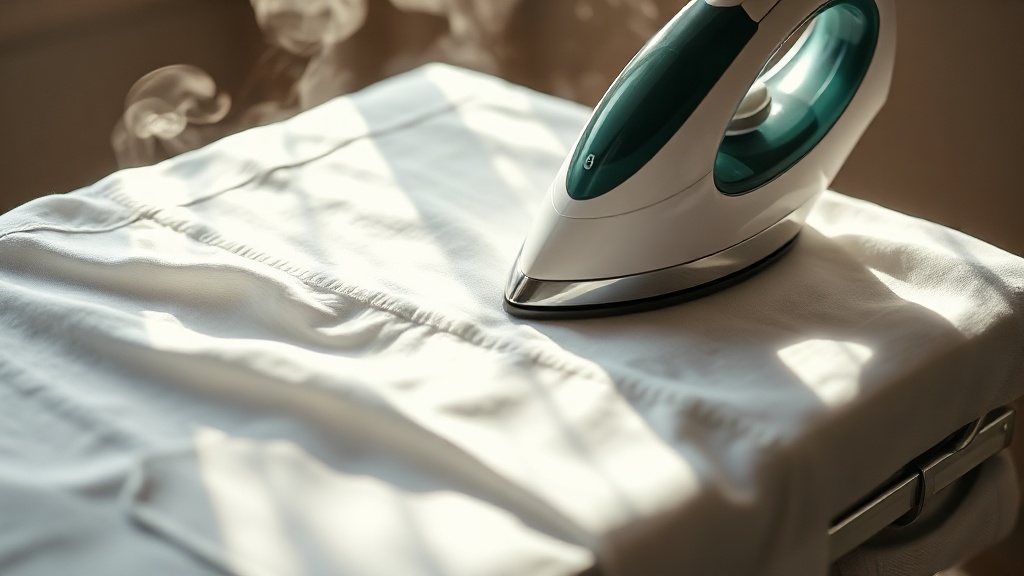
Cotton is a durable natural fibre that tolerates high temperatures. For best results, iron cotton shirts while they are still slightly damp, using a high heat setting (180-200°C or 350-400°F) and generous steam. Ironing cotton while damp helps to relax the fibres and smooth out wrinkles more effectively.
Linen Garments
Linen, known for its crisp texture, can withstand the highest ironing temperatures of all common fabrics, typically between 200-230°C (392-446°F). Iron linen while it's still damp for the best results, as this helps to release wrinkles more efficiently. Ironing linen is often about achieving defined creases rather than complete wrinkle removal, embracing its natural character.
Delicate Silks
Silk is a delicate protein fibre that requires a low heat setting, ideally between 100-110°C (230-250°F). Always iron silk on the reverse side and use a pressing cloth to prevent shine marks or scorching. Steaming is often the safest and preferred method for silk, as it is gentler and helps maintain the fabric's sheen.
Wool & Wool Blends
Wool is sensitive to direct heat and pressure, which can cause felting or permanent shine. The ideal ironing temperature for most woven wool is 130-150°C (300°F), using steam at a distance or a pressing cloth. Knitwear made of wool should ideally be steamed without any direct soleplate contact.
Synthetic Fabrics (e.g., Polyester, Nylon)
Synthetic fibres like polyester and nylon are highly heat-sensitive and can melt or shine if the iron is too hot. Iron these fabrics on the reverse side at a low heat setting, typically not exceeding 110°C (230°F), and avoid direct steam. A pressing cloth is recommended for added protection.
Bedding & Linens
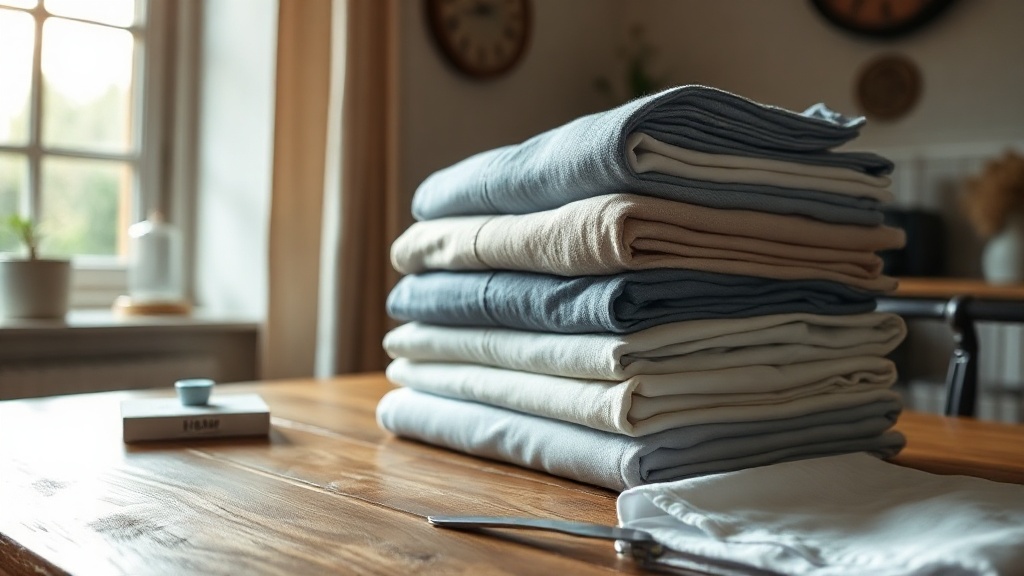
For cotton and linen bedding, a high heat setting with steam is ideal. Iron pillowcases (pair: £1.60), flat or fitted sheets (£3.00), and duvet covers (double: £4.50, king: £5.50) while slightly damp for the crispest finish. For a full bedding set (double: £8.50, king: £9.95), consider professional pressing to save time and ensure a flawless result, especially for larger items that are difficult to manage at home.
Good to know
Always check the garment's care label for specific ironing instructions, as this dictates the maximum temperature and whether ironing is suitable.
Sort your laundry by fabric type and iron from coolest to hottest settings (e.g., synthetics and silk first, then wool, then cotton and linen) to allow the iron to heat up gradually and prevent damage.
Steam ironing is generally gentler on fabrics and effective for deep wrinkles, while dry ironing offers precision for specific creases. Steam helps to relax fibres, making wrinkle removal easier and faster.
For cotton and linen, ironing while the fabric is still slightly damp significantly improves wrinkle removal and makes the process easier. If dry, a spray bottle can reintroduce moisture.
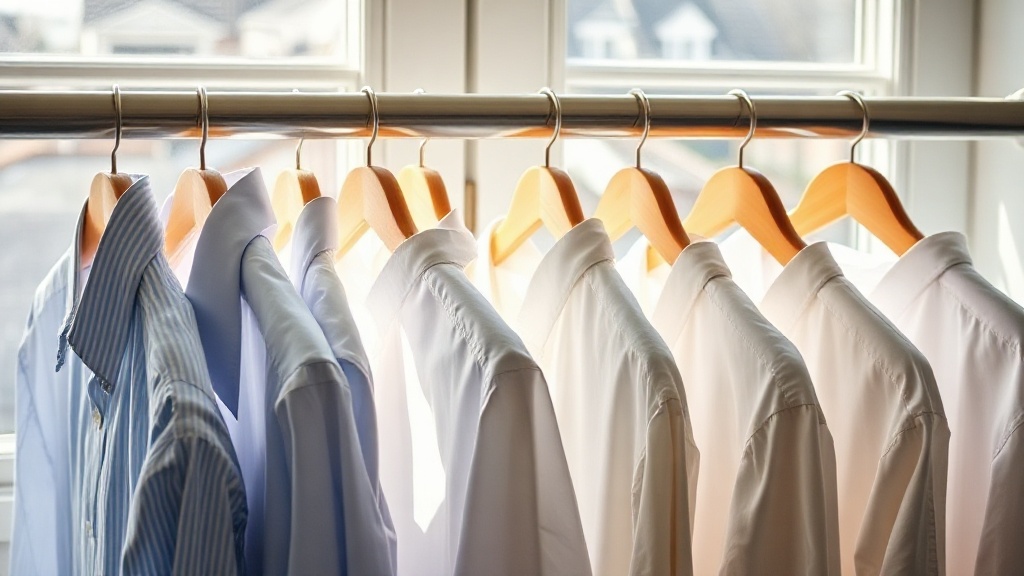
Allow garments to cool completely after ironing before hanging or folding to prevent new wrinkles from setting. Use quality hangers for shirts and dresses, and avoid overcrowding your wardrobe.
For time-consuming items like multiple shirts (£2.20 each), dresses (£3.50), or full bedding sets, professional pressing can save you significant effort and ensure a consistently high-quality finish. Slough Ironing offers free collection in Slough for orders over £25, and in nearby areas like Windsor and Maidenhead for orders over £35, making expert care convenient and cost-effective. Consider our