Ticket resale can feel like a mysterious world of inflated prices and digital marketplaces. But how does your spare ticket for a gig actually end up in the hands of another fan? The process has become much more sophisticated and, in many ways, safer than the days of meeting someone outside the venue.
In 2026, technology is at the heart of resale. We're going to break down the entire lifecycle of a resold ticket, explaining the roles of primary agents, official platforms, and the security features that protect both buyers and sellers. Understanding the mechanics is the first step to using the market wisely.
Clever things to do in tickets
The Primary Sale
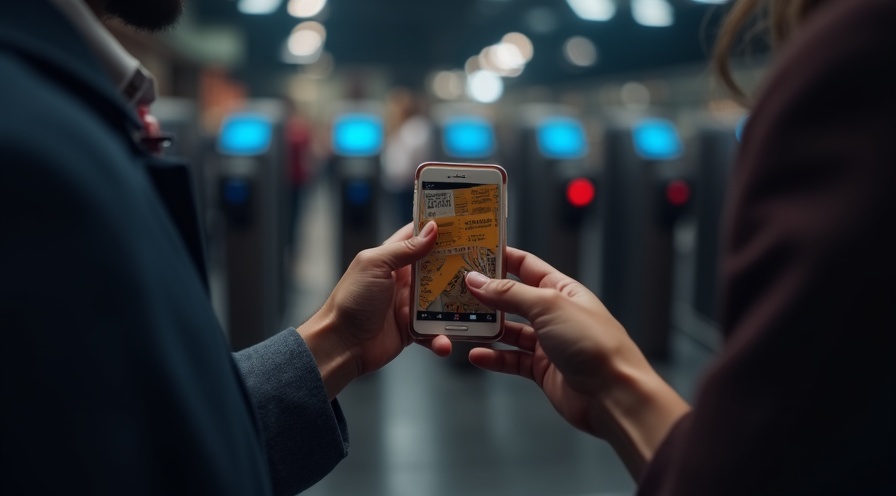
It all starts here. A fan buys a ticket from a primary agent like Ticketmaster or SEE Tickets. This ticket is now a digital asset, usually a QR code in an app, linked directly to their account. This digital link is key to how modern resale works.
Listing on a Resale Platform
The fan can no longer attend, so they decide to sell. On an official resale platform (like Ticketmaster's Fan-to-Fan Resale), they simply log in, select the ticket, and set their price. The platform often caps this price at or just above face value to prevent professional touting.
The Digital Handshake
When a buyer purchases the listed ticket, the platform acts as a secure middleman. The buyer's money is held by the platform, and the seller is notified. The crucial step is that the original ticket in the seller's account is voided instantly.
Reissuing a New Ticket
The platform's system then generates a completely new, unique QR code or barcode and issues it to the buyer's account. This eliminates the risk of a dishonest seller trying to sell the same ticket to multiple people. The buyer now holds the only valid ticket for that seat.
The Payout
The seller doesn't get their money straight away. The resale platform typically holds the funds until after the event has successfully taken place. This is a final layer of protection for the buyer, ensuring the ticket was valid and they gained entry without any issues.
Know before you go
For maximum security, always try to use the official resale platform linked to the primary ticket agent. This is where the process of voiding the old ticket and reissuing a new one is most seamless and guaranteed. It's the only way to be 100% certain you're not buying a duplicate.
On some non-official secondary sites, prices are 'dynamic', meaning they change based on demand. This is why you can see tickets for hundreds of pounds over face value. Conversely, prices can plummet just before the event, so timing your purchase is key.
If you're the one selling, make sure you understand the platform's terms. Note the fees they take from your sale price and the timescale for payment. Knowing this upfront prevents any nasty surprises when you receive your money a week after the gig.
A modern digital ticket is often a 'moving' QR code or has other security features to prevent screenshots. If a seller on social media offers to just send you a picture of the ticket, it's almost certainly a scam. Only accept tickets transferred officially through an app or platform.