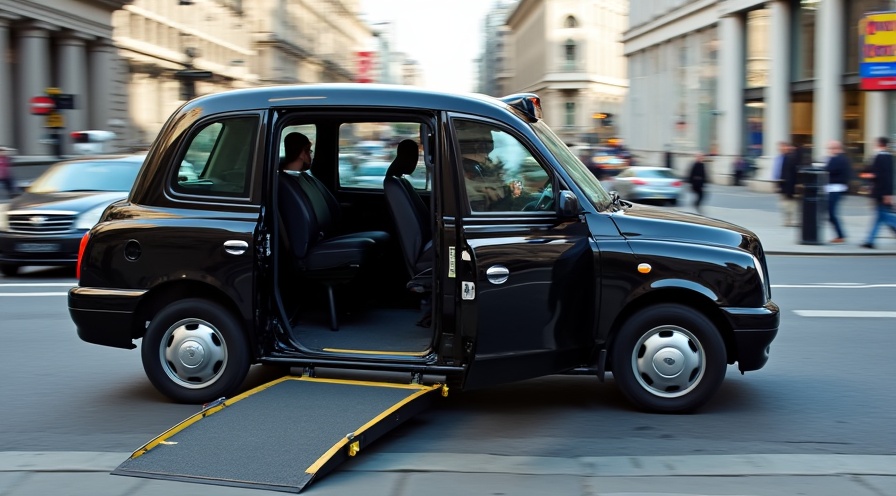
A career as a taxi driver in the UK offers flexibility, independence, and the chance to be your own boss. However, the path to getting behind the wheel is rightly governed by strict regulations to ensure public safety. The process involves multiple checks, tests, and applications, all managed by your local council's licensing authority.
Whether you aim to drive a traditional black cab (Hackney Carriage) or a private hire vehicle, the core requirements are similar. This guide breaks down the essential steps you will need to complete in 2026, from initial eligibility checks to getting your vehicle licensed and insured for the road.
Clever things to do in Drivers
Eligibility and Right to Work
You must be at least 21 years old, have held a full UK or EU driving licence for at least 12 months (often longer for some councils), and have the legal right to work in the UK.
Enhanced DBS Check
You must apply for and pass an enhanced Disclosure and Barring Service (DBS) check. This is a comprehensive criminal record check to ensure you are a 'fit and proper' person.
Medical Examination
A medical assessment, usually with your GP, is required to confirm you meet the DVLA Group 2 medical standards, which are stricter than those for a standard driving licence.
Local Knowledge Test
Most councils require you to pass a topographical or 'Knowledge' test. This assesses your understanding of local routes, landmarks, and licensing regulations.
Vehicle Licensing and Inspection
Your vehicle must meet specific council requirements regarding age, condition, and accessibility. It will need to pass a compliance test similar to an MOT.
Know before you go
Every council has slightly different rules, fees, and application processes. Your first step should always be to visit their website or contact their taxi licensing department.
This is often the most challenging part. Use local maps, drive the routes, and consider joining online forums or study groups for your specific council area.
The total cost can be significant. Budget for application fees, DBS check, medical exam, vehicle licensing, specialist insurance, and any required training courses.
As a self-employed driver, you are responsible for your own tax returns. A basic bookkeeping or business course can be invaluable for managing your finances correctly from day one.