For any professional taxi driver in the UK, specialist taxi insurance is not just a business expense, it is a legal necessity. Standard car insurance is completely invalid for carrying passengers for hire or reward, and being caught without the correct cover can lead to penalty points, fines, and the loss of your taxi licence.
Understanding the different types of cover available is crucial for protecting your livelihood, your vehicle, and the public. From essential public liability to optional extras like breakdown assistance, choosing the right policy requires careful consideration of your specific circumstances, whether you are a full-time driver or work part-time.
Clever things to do in Drivers
Public Liability Insurance
This is the most critical component. It covers claims made against you by members of the public for injury or property damage caused in relation to your business.
Private Hire vs. Public Hire
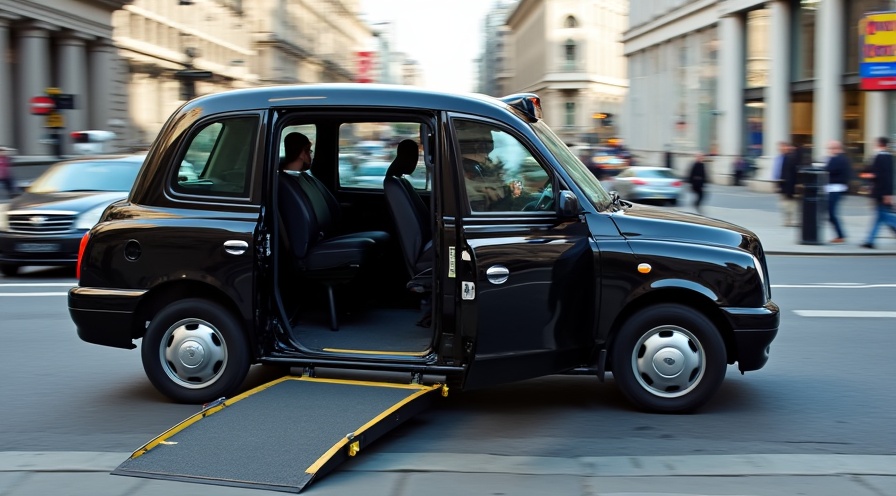
Your policy must match your licence. Private hire insurance covers pre-booked journeys, while public hire (Hackney Carriage) covers hailed fares and taxi ranks.
Levels of Cover
Like standard insurance, you can choose from third party only, third party fire and theft, or comprehensive. For a professional driver, comprehensive is highly recommended.
No Claims Bonus (NCB)
Many insurers allow you to use your private car NCB to get a discount on your first taxi policy. A specialist taxi NCB can then be built up over time.
Geographical Area Restrictions
Your premium is heavily influenced by your council area. Ensure your policy covers the exact geographical locations where you are licensed to operate.
Know before you go
Comparison websites often miss the nuances of taxi insurance. A specialist broker understands the market and can find a policy tailored to your specific needs and licence type.
Installing a telematics 'black box' or a council-approved dash cam can prove your safe driving habits and often leads to significant premium discounts.
While monthly payments offer convenience, they often include interest charges. Paying for your policy in one annual lump sum is almost always the cheaper option.
Be realistic about your annual mileage. Underestimating can invalidate your policy in the event of a claim, while overestimating means you are paying more than you need to.