Starting your holiday or business trip should be stress-free, but the journey to the airport can often be the first hurdle. A pre-booked taxi is the most reliable way to ensure you arrive on time, but booking too late risks unavailability or inflated prices, while booking too early can sometimes be unnecessary. Timing is everything.
Several factors influence the ideal booking window in 2026, from the season and time of your flight to the specific vehicle you require. Understanding these variables allows you to secure a reliable service at a competitive, fixed price, removing one major element of travel anxiety before you have even left the house.
Clever things to do in Travel
Peak vs. Off-Peak Seasons
For travel during school holidays (summer, Easter, Christmas), book at least 2-4 weeks in advance. For off-peak periods, 48-72 hours is generally sufficient.
Flight Departure Time
For early morning flights (e.g., 3am-6am), book at least one week ahead. Fewer drivers work these anti-social hours, so availability is significantly reduced.
Specialist Vehicle Requirements
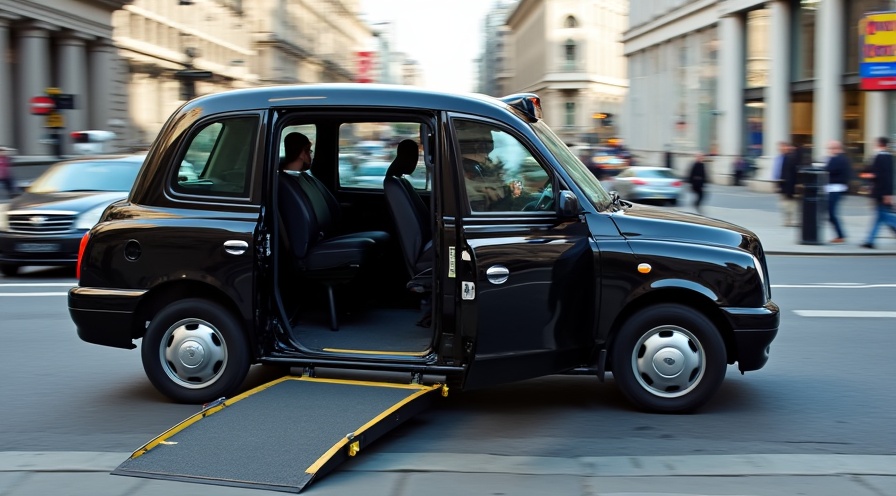
If you need a minibus for a large group, an executive car, or a wheelchair accessible vehicle, book 1-2 weeks in advance as these are in shorter supply.
Local Major Events
Check for local concerts, festivals, or major sporting events that coincide with your travel date. These can massively increase demand, so book weeks ahead if necessary.
Dynamic vs. Fixed Fares
App-based services use dynamic surge pricing. Booking in advance with a traditional taxi firm locks in a standard, often cheaper, fixed fare for your journey.
Know before you go
A quick call or app check the day before your flight provides final peace of mind, confirming all details are correct and your booking is secure in the system.
When booking your return journey, give the taxi firm your flight number. This allows them to track your flight for delays and automatically adjust the pickup time.
Ask the taxi firm for their estimated journey time, then add a personal buffer of at least 30 minutes to account for unforeseen traffic or last-minute issues.
Local taxi companies possess invaluable knowledge of traffic blackspots and alternative routes that national app-based services may not, ensuring a more efficient journey.